The marketplace for college athletes to engage in Name/Image/Likeness (NIL) deals was created in 2021 after the NCAA v. Alston case and now it seems like every college is ready to start spreading the wealth. There are already more than 100 “collectives” either in operation or being formed. They allow alumni/fans/whoever to donate money to assist a specific school in creating opportunities for student-athletes to make some money off of their celebrity. We have reached out to many collectives and will try to interview representatives from as many of them as possible to see how each of them operates. HoopsHD’s Jon Teitel continues our coverage with Geoff Shyatt of Rocky’s Collective, who discussed what his group is about and what it has accomplished so far.
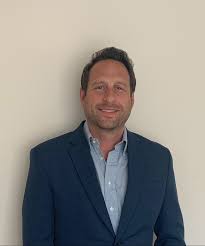

You were a walk-on basketball player at Clemson: how good a player were you back in the day, and how did you 1st get into coaching? I was a good high school player who had some D-2/D-3 opportunities, but I knew that I wanted to coach so I walked on for my father Larry (who was the Clemson head coach at the time). I did not want to go the manager route, so I spent a couple of summers networking to form better relationships. I got to work with Coach Bobby Knight during 1 of his last seasons at Texas Tech. I also formed a good relationship with Coach Mike Young and ended up getting an assistant job at Wofford.
You are co-founder of an NIL collective called “Rocky’s Collective” that was formed in 2023: how complicated was it to create (if at all), and why did you do it? I saw that revenue sharing was on the horizon. My good friend Derek Hoffman and I flew out to Sacramento to see Asheville face UCLA in the 2023 NCAA tourney. On the flight back home, we talked about what we wanted to do, then met with a CPA/tax attorney to make sure that everything was set up correctly for a non-profit.
How much interaction do you have with Athletic Director Janet Cone/Coach Mike Morrell (if any)? Coach Morrell has been a good family friend for a long time so I talk to him and his staff regularly. I am based in Charleston but when I come to town I will pop in to say hi to Janet if she is free. Now that things are up and running I am not in touch with them on a weekly basis, but if we want to host a golf tourney then I will make sure it is not conflicting with a school fundraiser.
Your collective focuses on basketball: how/why would you decide to open it up to other sports? Basketball is the flagship program there since there is no football team here: it generates the most buzz around town. As collectives were created around the country, I heard that there was pushback from some athletic departments about “stealing their donors”. Asheville is not a million-dollar market, so we thought that basketball was the best plan of attack. As we got the word out, we scheduled 3 social events to educate people about who we are and how we function. I do not know if we will opt-in next year, as that is the school’s decision, but we are realistic about the amount of money we can raise, which could/will change if they opt-in.
You are the Director of Basketball Operations at ESQ Agency: how do you balance your day job with your NIL job? The collective was time-consuming when we started it. I spent a good amount of time in Asheville because a lot of my family lives there, but so does Derek so he can handle most hands-on meetings.
Your brother Jeremy spent several years as a college assistant coach and your father Larry spent over 45 years as a head/assistant coach in college and the NBA: who is the best coach in the family? My dad: no question! Had Jeremy stayed in the industry I think he might have become a head coach by now. His last job at Wyoming ended right before COVID, and now he works with my former college roommate representing coaches.
A majority of this year’s Bulldog roster began their college careers at other schools: how crucial is the transfer portal to your team’s success? Coach Morrell has a great outlook on roster construction: he builds a core group of guys who want to be there at the highest level of talent that he can get. Much of the roster consists of guys who are from/around the North Carolina area, then he uses the portal to supplement any holes. It is not going anywhere anytime soon: we have seen some guys transfer up while others transfer down.
People are obviously free to do whatever they want with their hard-earned money…but do you ever have any second thoughts about whether you should be encouraging your donors to do something else like fight cancer/reduce homelessness? As a donor you should be as fully educated as possible, whether it is through the collective or the athletic department. People should donate to whatever they feel has the most worth/value. If someone owns a local business and has a nephew with childhood cancer, but they want to donate money to our collective because they are a fan of the program, then we are not forcing their hand by any means.
Do you think the NIL model can be as effective at a Big South school, and what is the biggest difference between your collective and those at high-major schools (if any)? Most high-major schools have football as their flagship sport that generates more money, so I think it is easier to tap into alumni from a big college town that packs 100,000 fans into its football stadium.
In the past couple of years, we have heard about a variety of off-court incidents including gambling/hazing/etc.: how concerned are you about entering contractual relationships with teenagers who might end up behaving badly? I am not very concerned: we have several guys on our legal team who oversee contracts/procurement, and we have certain clauses in there about anything detrimental to Asheville athletics.