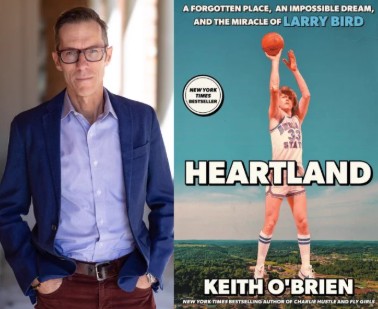
We have seen a few Cinderellas in past NCAA tourneys, from the 1st round (UMBC in 2018) to the Final 4 (George Mason in 2006). 1 of those non-power-conference schools who made it all the way to the title game was Indiana State back in 1979, featuring an up-and-coming player you might have heard of named Larry Bird. If you are looking for a good book to read this fall, we recommend Keith O’Brien‘ book commemorating that legendary Sycamore squad called “Heartland: A Forgotten Place, an Impossible Dream, and the Miracle of Larry Bird”. HoopsHD’s Jon Teitel got to chat with Keith about Bird’s journey to Terre Haute and how Indiana State almost ended up winning a title.
Why did you decide to write this book? For 50 years we have been telling the Larry Bird story while weaving it together with Magic Johnson. They played in the epic title game in 1979 before saving the NBA, but they had only met 1 time before the title game: they were neither friends/rivals. I wanted to zoom in on the origin story of Bird in the 1970s, which gave a completely different story with a new cast of characters who formed/saved Bird.
For all of Bird’s on-court success, he had to overcome his fair share of off-court familial troubles (suicide/divorce/etc.): what impact did all of those obstacles have on his life either on or off the court? The adversity he faced as a child in French Lick/West Baden Springs absolutely shaped him as a player. French Lick was a hard place to grow up in the 1960s/1970s due to poverty and unemployment, and his dad struggled with alcohol. Bird had 2 older brothers, so if he wanted to get in a pick-up game as a kid, he would have to scrape/claw/fight.
He began his college career at Indiana, but ended up leaving school after just a few weeks: how good do you think the Hoosiers might have been had Hall of Fame coach Bob Knight been able to bring the best out of Bird? I love a good hypothetical! After Bird left Bloomington in September of 1974, Knight’s teams went 63-1 over the next 2 years without Bird. Had he stayed, I think they could have won 2/3/4 titles in a row while Knight built a dynasty along the likes of John Wooden’s Bruins. It would have been incredible had Bird stayed.
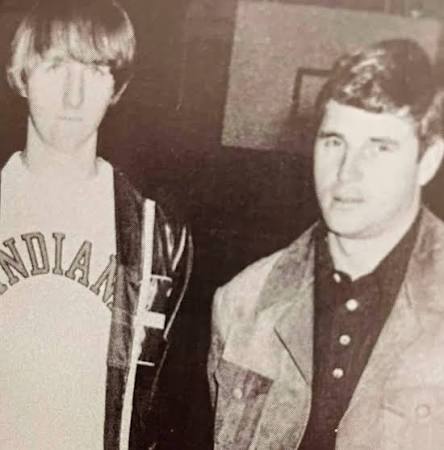
Why did a school like Indiana State in a city like Terre Haute turn out to be a better fit for Bird? Terre Haute was a smaller community and Indiana State was a smaller working-class school. A lot of their student body in the 1970s were trying to become the 1st in their family to graduate. Coach Bill Hodges was from Indiana, grew up poor, and knew what it felt like to be overlooked. Hodges did everything he could to make Bird feel comfortable, including things that Knight never did.
Rather than simply recruit as much talent as possible, how did Bob King consciously construct his roster around Bird? If they could have brought in 3 more Larry Birds then they certainly would have done that, but he had to sit out a year and nobody knew exactly what he could do. After that 1st season they realized they had something great, but that team was not part of a major conference or playing on national TV, so it was hard to recruit other top high school players, which is why they had to search around and find the right pieces to fit around Bird.
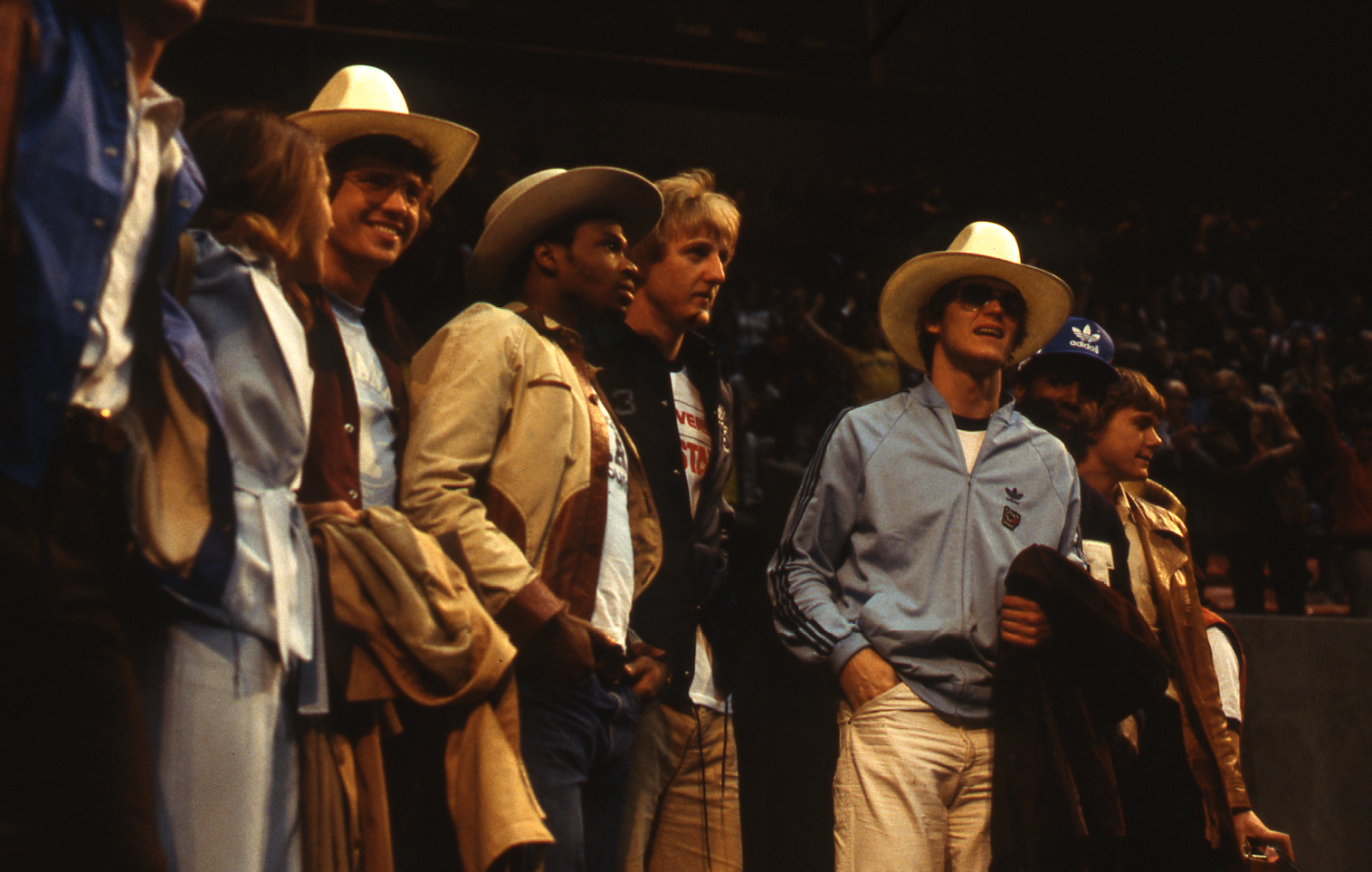
In the summer of 1977, Bird joined a team of college All-Stars that traveled abroad to face some competition in Europe: how did Bird do against the best college players in our country/the best players in several foreign countries? That was the summer where everything changed for him. They barnstormed across Europe after Larry’s 1st college season, and when he 1st showed up, most people thought that he would not even make the team. By the end of the summer, he worked his way into Coach Denny Crum’s starting lineup, which was huge. People told me that at time Larry was the best player on the floor during scrimmages. Even though Crum mixed up the lineups for scrimmages, Larry’s team always won.
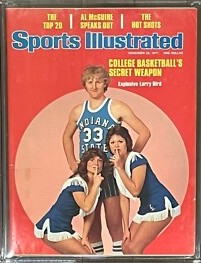
Many sports fans got their 1st exposure to Bird when he appeared on the cover of Sports Illustrated in 1977: how big a deal was it at the time? It was a massive deal. SI was the sports bible in those days before ESPN and the Internet. To be on the cover was to be a “made man”, and that issue sold out in Terre Haute within minutes. It put both him and the city on the map, and in a lot of ways he would never again have an anonymous moment in his life.
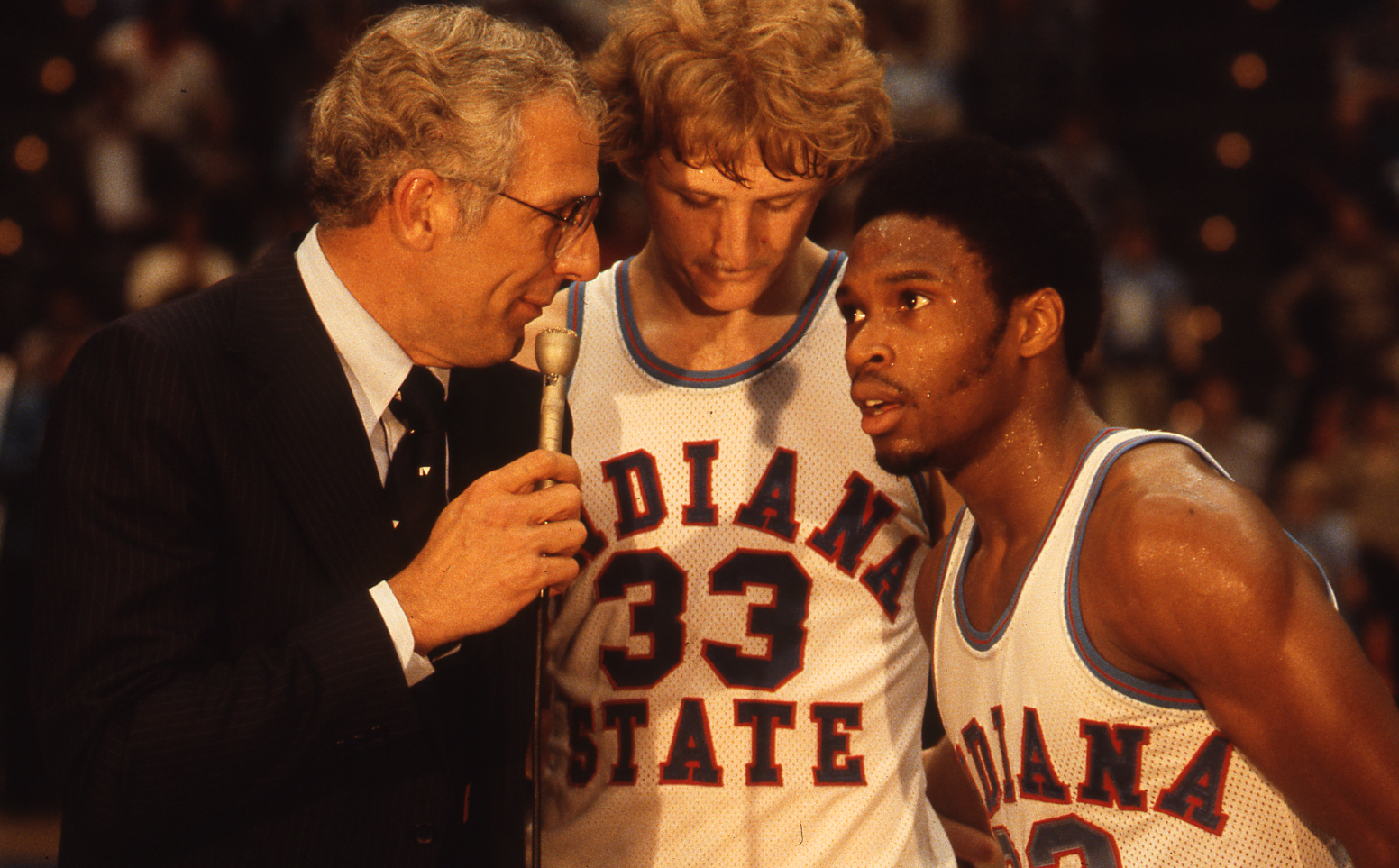
What kind of relationship did Bird have with the media while in college? It was contentious when the media began to write stories about him in the weeks after he appeared on the SI cover. They wanted to tell the great story about the underdog, but Bird was uncomfortable speaking about his life. I read almost everything that was written about him at the time, and even though the stories were mostly positive, they really bothered Bird and he basically shut out the media for the next year and a half.
Is it possible to tell the story of Bird without Magic, and have you ever seen a better individual rivalry in any team sport? Probably no, unless you tell a story solely about their high school days. We have had many great rivalries in sports: Manning-Brady, Ali-Liston, etc. Bird-Magic is obviously in the pantheon…but it is in the eye of the beholder whether it is the greatest rivalry.
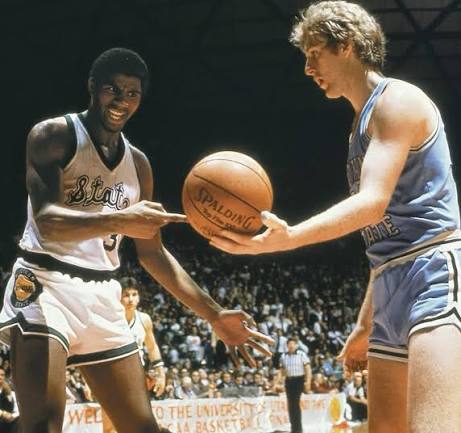
The Celtics decided to draft Bird in the spring of 1978: it seems like a smart decision a half-century later, but did people think Red Auerbach had lost his mind? A lot of people did not like it. Bird had never played on national TV so most people in Boston did not know who he was. Bird declared that he was not coming there for at least a year, which was hard to swallow for Celtics fans, but Auerbach did not mind taking a chance on Larry. He also did not mind waiting a year for him: he said that a year would go by faster than you think, and other teams would kick themselves for not drafting him.
The magical season of 1979 got off to a rough start in the fall of 1978 due to the double-whammy of Coach Bob King having a brain aneurysm and assistant coach Stan Evans quitting the team: how close did the program come to falling apart before it even tipped off? It very nearly did fall apart. I spent a lot of time in Terre Haute talking to people and reviewing documents. On the day that Hodges was given the job because King was not returning, people were worried that Bird would pull up stakes and immediately join the Celtics, which would have been devastating. Hodges was a new coach with an inexperienced staff, so they were the classic “no one believes in them” team. Would they have made the NCAA tourney if King was healthy? Yes, but King liked to play in a conservative fashion, so I do not think they would have made it all the way to the title game. In contrast, Hodges took the governor off the engine.
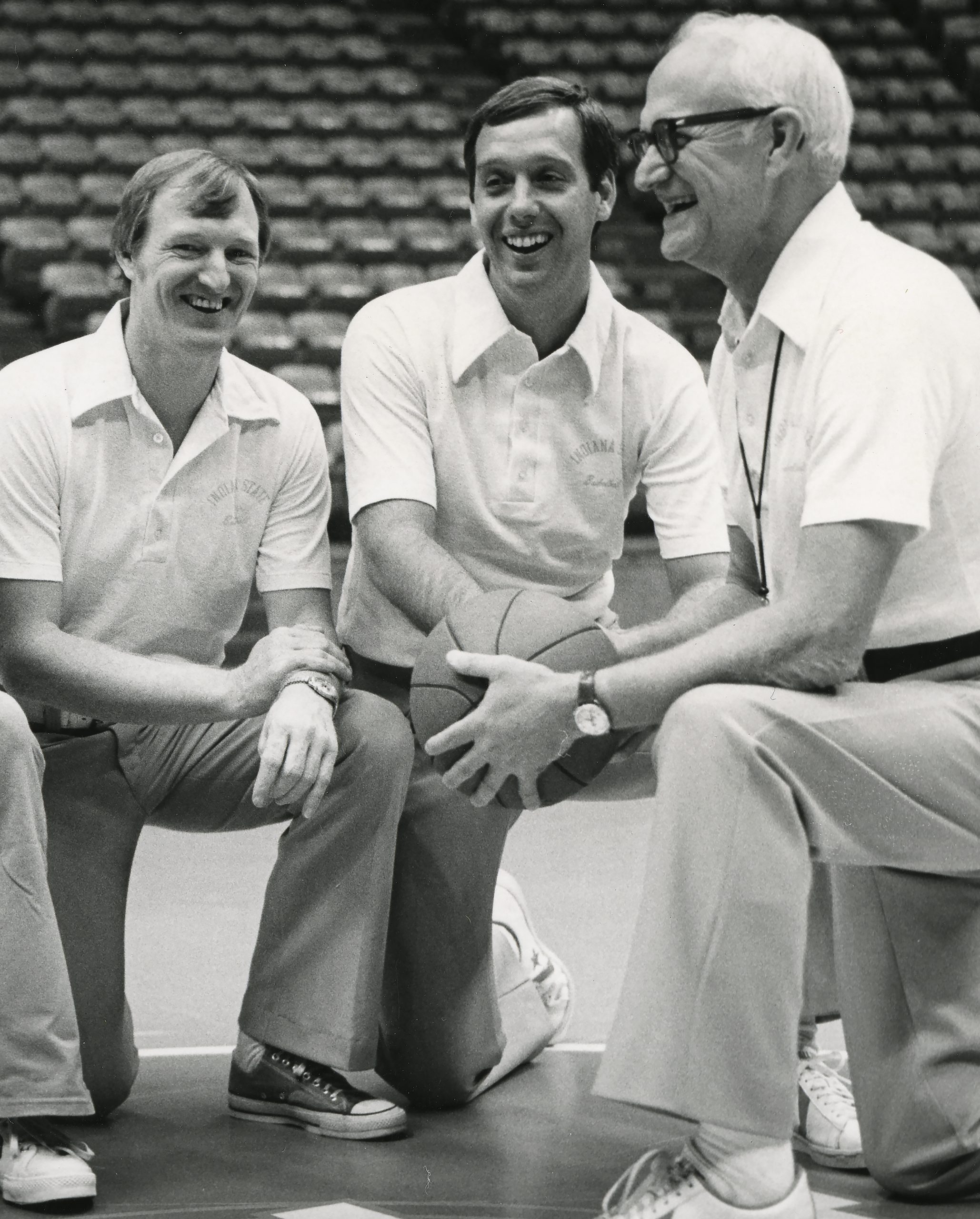
How much credit does part-time assistant coach/Hall of Famer Mel Daniels deserve for Bird’s development that year? I think Mel deserves credit for preparing Bird for the NBA. They would play full-court 1-on-1 after practice. These days a guy like Mel in his mid-30s would still be playing in the NBA. He taught Bird the subtle art of “trash talk” during those individual sessions.
Even though Bird was the star of the show, was Bob Heaton the team’s most “clutch” player after making the 2 biggest shots of the season (a halfcourt heave at New Mexico State and a lefty quadruple-bouncing buzzer-beater to beat Arkansas in the Elite 8)? Without Heaton, there is no undefeated season and they might not have made the Final 4. It took an entire collection of guys to put together that miracle run.
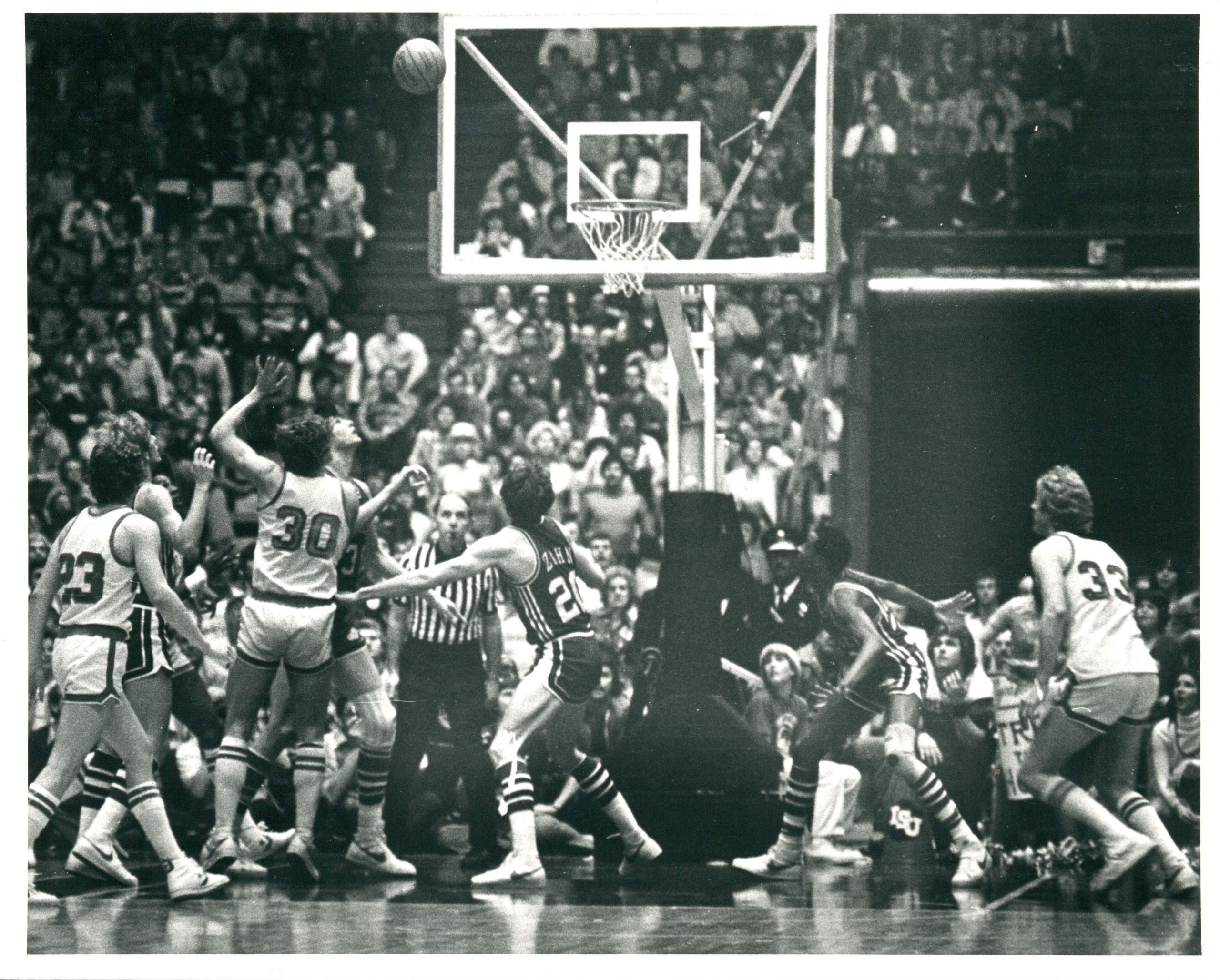
The Sycamores made it all the way to the title game undefeated before losing to Michigan State: I assume it can not really be called a “Cinderella story” when they had the national POY/a future Hall of Famer in Bird? I would disagree 100%. They were not ranked in any preseason poll and were picked to finish 3rd/4th in their own conference. They were 1 of the original Cinderella stories, and 1 that we will not see much of anymore. These days college basketball programs need to spend $8-12 million on their roster just to make the Sweet 16: that is roughly the price of admission. Can a team like Indiana State put together that kind of run today against an opponent with a $15-20 million roster? Not a chance!
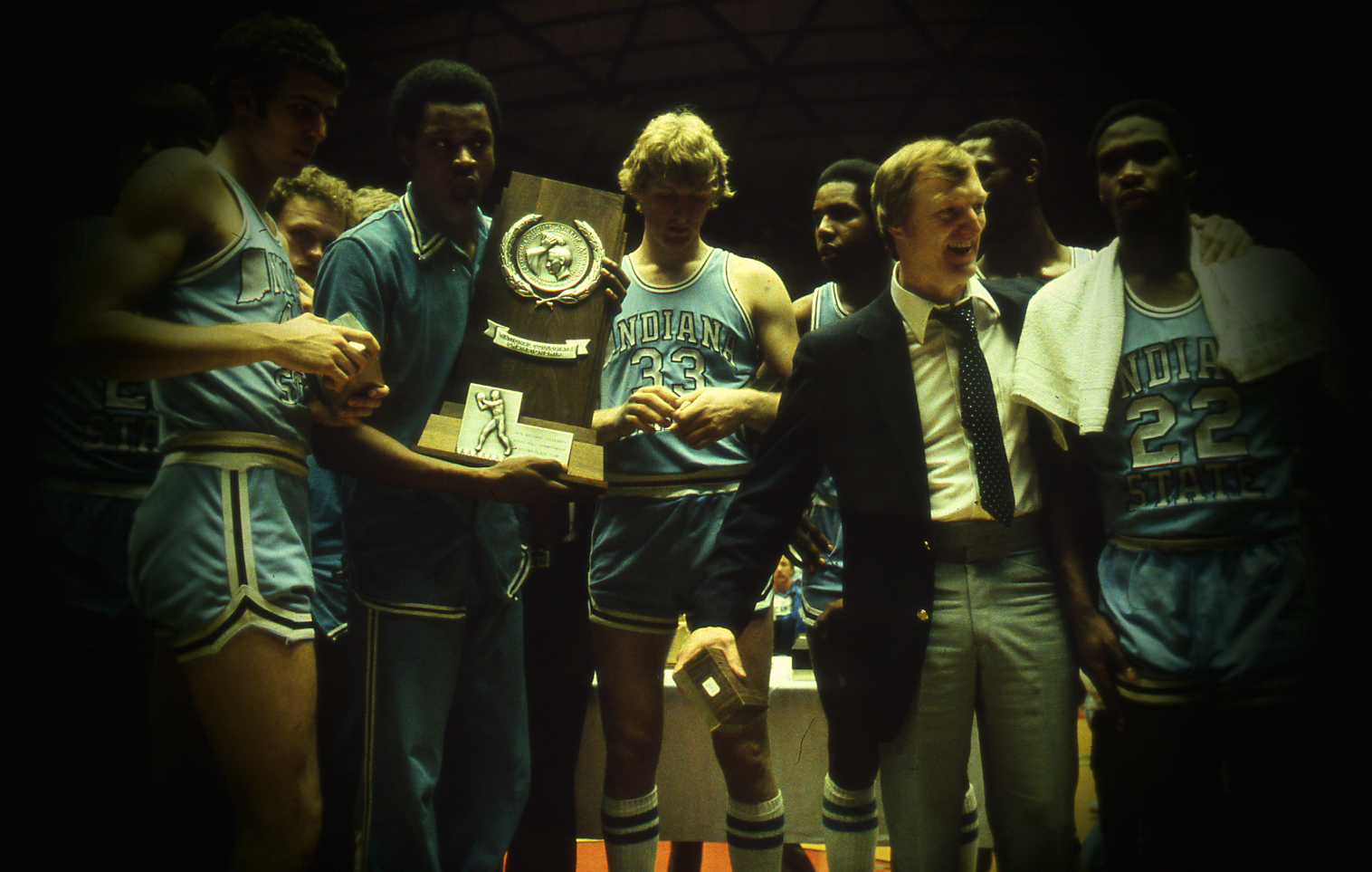
What is the legacy of that 1979 squad regarding its impact on both “March Madness” and the 1980s era of the NBA? People often say that the 1979 title game created March Madness…but I think that is a little inflated. The NCAA tourney was growing throughout the 1970s and kept setting viewership records, although Bird/Magic came along at the right moment. The NBA had been struggling at the time, and 1 year later the 2 superstars were in the NBA representing both coasts, which helped a lot. I wonder what would have happened if Bird had been drafted instead by Indiana rather than a bigger market like Boston. Their rivalry saved the NBA in that window of time before Michael Jordan and others showed up a few years later.