Happy Birthday!: HoopsHD interviews former Fairfield star AJ Wynder

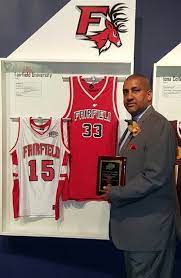
It cannot be easy to be a native New Yorker whose birthday falls on September 11th…but that is AJ Wynder’s lot in life. Born on 9/11/64 in the Bronx, he helped lead Fairfield to back-to-back NCAA tourney appearances in 1986/1987. He spent almost a decade in the CBA but got to live the NBA dream by playing 6 games with the Celtics in 1991. He won a silver medal at the 1995 Pan Am Games and later became a super-successful head coach at Nassau Community College. HoopsHD’s Jon Teitel got to chat with AJ about a near-death experience and being a great 3-PT shooter. Today is AJ’s 57th birthday so while we understand that it is a somber day let us be the 1st to wish him a happy 1!
You played at St. Agnes High School on Long Island, where 1 of your teammates was future Florida coach Billy Donovan: what was Donovan like as a teammate, and did you ever think he would have the success he has had as both a player/coach? He was a gym rat and a hard worker so I always knew that he would be a successful player. A lot had to do with the fact that he was a bit pudgy, but after getting to Providence and seeing Rick Pitino take over he became “Billy the Kid”. He was a very unselfish player: I was the 2-guard while he was the PG.

In 1982 you started your career at UMass, but you injured your knee after only 2 games and almost died after being stabbed by a woman’s jealous boyfriend, then decided to transfer to Fairfield: how close did you come to dying? I believe my blood pressure was 40 over 0 but I was never unconscious. By the grace of God I am still here so I just take it day by day and make the best of it as a coach.

In the 1986 NCAA tourney your team had a 1st-year head coach and a school-record 24 wins: how close did you come to beating Illinois? It was a tough game: we were right there for 30 minutes before their depth took over. They had a couple of pros on that team including Ken Norman. I had always dreamed of playing in the tourney as a kid and we just hoped that we could pull off a Cinderella-type upset.

In the 1987 MAAC tourney title game your team trailed by 18 PTS with 13 minutes left in regulation but you scored 16 PTS including a jumper at the end of regulation to send the game into OT en route to a 3-PT win over Iona: where does that rank among the highlights of your career? I have very fond memories of that game because it put us into the NCAA tourney. We had a few down moments during the year, including my best teammate breaking his hand and another teammate having his mother pass away. I will always remember my shot to send it to OT. We were a small school but it seemed like we had 200,000 people cheering us on that night! 

What are your memories of the 1987 NCAA tourney in Indianapolis (after telling a reporter that all you had to do was stop Steve Alford and Daryl Thomas, you scored 15 PTS in a loss to eventual-champion Indiana)? They were a bulldozer that rolled right over us. They had been upset by Cleveland State in 1986 so Coach Bob Knight made sure that would not happen again in 1987. To lose to the eventual champions is nothing to be upset about. I am really close with Keith Smart today after we played together in the CBA, even though I did not know him at all back then. There was a capacity crowd at the Hoosier Dome and I remember hearing a huge cheer when Knight walked out of the tunnel because Hoosier Nation loved him. It was just part of the journey and a great experience for me.

In 1990 you played 6 games for the Celtics: were you thrilled to realize your dream of making it to the NBA, or disappointed that you only played 6 games, or something in between? During the course of my time I was excited but I was also trying to compete and work hard. It was not until after it was over that I was able to reflect on it. I did not just want to be there: I wanted to play and make a name for myself. It was a job, not just a fairy tale, but I am not bitter about it.

You played 10 seasons in the CBA before retiring with the 2nd-most steals and 3rd-most assists in CBA history: how did the CBA compare to the NBA? The 1 thing I say is that we never had a night off. You never knew which NBA scouts were in the stands and the competition was pretty grueling. It is a fine line between the CBA and NBA and we would face guys like John Starks/Mario Elie. I remember reading about Chris Childs getting a 6-year/$24 million contract: I played against him several times. The travel was the biggest difference: the Celtics were a 1st-class organization. The CBA helped prepare me for what I am doing now so I would not trade it for anything.

You spent 2 of those 10 years as a player/assistant coach with the Tri City Chinooks: why did you decide to accept the double-duty, and how were you able to make it work? My great friend Calvin Duncan and I had played together in Cedar Rapids. When he took over as head coach in Tri City he decided to make me his assistant due to my basketball IQ and leadership as a PG. I felt that if I took that position then the NBA would not be looking to call me up, but Calvin made me realize that it would ultimately improve my resume.

As a member of Team USA at the 1995 Pan American Games in Argentina, the host nation’s Diego Osella made a game-winning layup with 1 second left to beat your team in the opening game, then they beat you again in the final to win the gold medal, but you set a USA Basketball record for 3-PT accuracy that still stands (8-12 3PM): what is your secret for 3-PT shooting, and did Argentina just have your number that spring? Argentina has the most loyal fans that I have ever seen in international competition. Their fans sing “ole, ole, ole, ole” for the entire game: I could barely hear myself think! We called ourselves “Team Nightmare” because we were just a bunch of NBA wanna-bes rather than the Hall of Famers who played for the “Dream Team”. I remember some great CBA players like Alphonso Ford who turned down the chance to play for the US because they were worried that they would miss their chance to get called up to the NBA, but when they gave me an invite it took me about 1 second to say yes. I was never a great shooter but if they left me open then I would take it. I got to represent my country and win a silver medal, which is very special to me, but our goal was to win a gold medal.

In 1997 you became head coach at Nassau Community College, where you have never had a losing record: how have you been able to have so much success as a coach? All successful coaches have good players. We do not give out scholarships or have dorms, so at a D-3 JUCO school I just sell my players on the opportunity of ending up at a 4-year school. I have been fortunate to have kids who work hard and execute our style of basketball by getting up and down the court and playing tough defense. We do not take anything for granted and try to win every time that we step onto the floor. My ultimate goal is to win a regional/national title. I do not know if a 4-year school would be for me: I like the security/stability I have here after chasing the dream as a player and living out of a suitcase for a decade. I am happy for Billy…but when much is given much is required. I am happy for all the millions that he makes but I am not envious: we went in 2 different directions and people still respect me for what I have done. I just want to do everything in my power to be the best coach I can be and give my players the tools to be successful in life.
Posted in Interviews | Tagged , | Comments Off on Happy Birthday!: HoopsHD interviews former Fairfield star AJ Wynder

Season preview: HoopsHD interviews Florida State SR F Malik Osborne

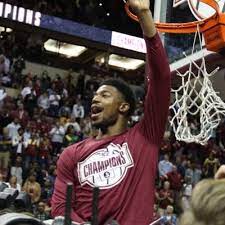
We are keeping our fingers crossed in the hope that we can return to a “normal” version of college basketball this fall: fans in the stands, announcers without masks, etc. Nobody knows exactly what is going to happen but we will try to restore some order with season previews featuring the best players/coaches in the country. We continue our coverage with Florida State SR F Malik Osborne. HoopsHD’s Jon Teitel got to chat with Malik about making the Sweet 16 last March and his expectations for this season.

You began your college career at Rice: why did you decide to transfer, and what made you choose Florida State? Rice was a great program but I wanted to challenge myself by going to a Power 5 conference to see how I matched up with the top talent in the country. Assistant coach Dennis Gates (who is now head coach at Cleveland State) offered me a scholarship to FSU and I had a lot of family in Florida and the weather was warm so it seemed like it was almost meant to be.

You play for Coach Leonard Hamilton: what makes him such a great coach, and what is the most important thing that you have learned from him so far? He is relatable and understands his players and puts us 1st: he is the most selfless coach that I have ever had and if we ever have an issue then he will talk directly to us to see where we are coming from. It feels more like a family: we handle our business on the court but remain tight-knit off the court. I learned that you get out what you put in: I have taken that attitude by putting in a lot of time and being an open book to the younger guys on the team.

Last winter you joined FSU’s Anti-Racism, Diversity & Inclusion Task Force: what have you been able to accomplish so far? We have accomplished a lot. We have held some very intense discussions about racial issues on campus, such as changing the names of a building or removing a statue. We looked into the details of some things with racial backgrounds and then banded together to make some changes.

In the 2021 Sweet 16 you scored 12 PTS/4-7 3PM in a loss to Michigan: what did you learn from that loss that will help you this year? I learned that chemistry is so important, especially during times of adversity. We were up in the Midwest (Indianapolis) and there were a lot of Michigan fans and we got rattled a bit and tried to do our own thing. Looking back on it now I think that is what helped teams like Baylor/Gonzaga make it to the title game. It is tough to come together during COVID because after a game we would just go back to our own rooms.

Your FT shooting increased from 59% as a sophomore to 84% as a junior: how were you able to improve so much in only 1 year? After shooting 59% I knew that I was better than that so I put in a lot of work on my mechanics/rhythm and found something that was very comfortable. I just calmed myself down and shot thousands of FTs, which helped settle me down during games and become a better FT shooter. Even after shooting 84% I know there is still more room to improve.

You earned your bachelor’s degree in Social Science last April and are currently working on a 2nd bachelor’s degree in Humanities with a concentration in Communications: how do you balance your work on the court with your work in the classroom? The academic people at FSU have helped me a lot. I received some tutoring and made sure to do my homework in advance because time management is essential. You need to have discipline because it will pay off in the long run. If you take care of things in advance then it will give you more time to get into the gym or rest your body.

You have a brutal non-conference schedule this year (including Florida/Purdue/South Carolina and possibly Missouri): which of these games do you feel will present your biggest test? We played Purdue a couple of years ago and they gave us a run for our money (the Boilermakers lost by 3 PTS in OT) but they are all challenging opponents. Even the mid-major teams will challenge us mentally. We know that we will get everyone’s best shot but we will be up for the challenge all year long.

You lost each of your top-4 scorers from last year (Scottie Barnes/MJ Walker/RaiQuan Gray/Balsa Koprivica): how will you try to replace all of that offense? We will just play our normal game and push the ball in transition. Even after losing all those scorers we still have a few veterans left on the team including myself. Everyone has a certain role and nobody will try to do too much because the entire coaching staff has put us in positions to be successful. The main focus is to stick to the game plan and trust our staff.

Your father James played football at Iowa State and your mother Tina ran track in college: who is the best athlete in the family? You are trying to get me in trouble! I would love to say me…but my mom is a stallion who killed it on the track so between the 2 of them I will say my mom.

What are your goals for this season and what are your expectations for this season? I definitely plan on winning our conference and getting back to March Madness. We want to win as many games as possible: we have a young team but are willing to learn and give our maximum effort each time. I think that we can win the ACC tourney and hopefully make the Final 4, but we need to keep it all in perspective and just take it 1 game at a time.

Posted in Interviews | Tagged , | Comments Off on Season preview: HoopsHD interviews Florida State SR F Malik Osborne

In Memoriam: HoopsHD remembers Weber State legend Willie Sojourner

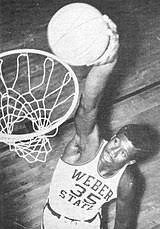
Many good American players have had great success overseas and 1 of the best was Willie Sojourner. After being named All-Big Sky at Weber State for 3 straight years from 1969-1971 and almost winning the high jump event at the 1970 NCAA Men’s D-1 Outdoor Track and Field Championships, he was drafted by the Virginia Squires in 1971. He spent several years in the ABA and won a title in 1974 with the New York Nets, then headed abroad in 1976 and became 1 of the best American players in the history of the Italian League. Willie died in a car accident in 2005 but HoopsHD’s Jon Teitel got to chat with Don Spainhower (former Weber State radio broadcaster/SID) and Phil Johnson (Willie’s college coach) about 1 of the 50 greatest male athletes in Big Sky history. Today would have been Willie’s 73rd birthday so we take this time to celebrate his life/legacy.

Growing up in Philadelphia Willie won several swimming medals in the backstroke/butterfly, and in college he had a high jump of 6’10” to win the conference title: which sport was he best at, and which 1 did he enjoy the most? Don Spainhower: In the early years he enjoyed swimming the most: his high school basketball coach had to pull him out of the pool to get him onto the court. I was his escort to the NCAA track and field championships and I think that his individual-best in the high jump was 7’1”. The NCAA outlawed the dunk around that time: if he could have dunked he would have been even more awesome. When we were recruiting him the coach told him that the “WS” letters we have on a nearby mountain were for him: it helped that he had the same initials as the school! Phil Johnson: He did not play basketball until his senior year but was a great swimmer.

Willie had a bit of a health scare at Weber State: how serious was the incident: DS: We played 1 game in Evansville where Willie was getting exhausted after playing only a few minutes. He went to the hospital when we got back and it turned out that he had a disease that caused his throat to swell up. PJ: We were playing in the Evansville Classic and he had what we thought was just a sore throat but he kept getting worse after coming home. He had a disease called Stevens-Johnson syndrome where antibiotics actually make it worse. I do not think he ever played as well after that.

Take me through the 1969 NCAA tourney:
He had 12 PTS/18 REB in a 4-PT OT loss to Santa Clara: did the team just fall apart in OT after Dave Sackolwitz missed 2 FT with 6 seconds left in regulation? DS: They did not fall apart: they were a close knit bunch. Willie never got overly excited and was a loose player and a happy-go-lucky guy. PJ: Santa Clara had a really good team. We missed our opportunity but did not fall apart.

He had 12 PTS/11 REB in a 2-PT win over New Mexico State in the 3rd-place game: how was the team able to bounce back from the previous loss to end the season on a high note? DS: We were down by about 20 PTS at halftime but played very well against a team coached by Lou Henson. PJ: New Mexico State had lost a tough game to UCLA but still had Jimmy Collins/Sam Lacey.

Despite playing only 3 years he set Big Sky conference records with 1563 PTS/1143 REB and still holds the record for career rebounding average (14.1 RPG): how was he able to be so dominant, and what made him such a great rebounder? DS: He had very long arms and very huge hands. I remember shaking his hand for the 1st time when Coach Dick Motta brought him around and he just swallowed my hand in his. He had an unusual way of shooting: he would shoot 1-handed with his hand extended way up high. PJ: If you saw him play you could see that he was very strong and had great instincts for the ball even as a freshman. He was 6’9” and had long arms and good positioning.

In 1971 he was selected by Chicago in the 2nd round of the NBA draft (10 spots ahead of Spencer Haywood) and by Virginia in the ABA draft: what did it mean to him to get drafted, and why did he choose the ABA over the NBA? DS: Motta was coaching the Bulls at that time but I am unsure if they encouraged him to try the ABA instead. PJ: He got a guaranteed contract from Virginia so he went with the Squires. The chances of making an NBA team as a 2nd rounder were not great back then.

He was the best man at Julius Erving’s wedding and gave him the nickname “Dr. J”: how close were the 2 of them, and how did he come up with the famous nickname? DS: They were roommates at 1 point. He came up with the nickname because Erving operated like a surgeon on the court. PJ: They were roommates and fairly good friends even though they did not play a long time together. I do not know how he came up with the nickname: I would have called him “Magician”!

Willie’s younger brother Mike played 3 years for Atlanta in the 1970s: who was the best athlete in the family? DS: I thought that Willie was better than Mike, who went to Utah for college and never achieved what Willie did. Willie was bigger as well. PJ: I saw both of them play: Michael played his college ball in Utah. Willie was a much better player/rebounder while Michael was a better perimeter shooter: I might be kind of biased!

He later played professionally in Italy for several years and then became head coach of a local club team: why did he decide to go abroad, and how did he like being in Italy? DS: He loved it over there: little kids would follow him around the streets. I have seen film of him receiving awards and showing off some of his trophies to the fans. PJ: He had more of an opportunity to make money over there even though his future in the NBA/ABA looked great.

He was killed in an automobile accident in Italy in 2005, and the successor club to the team where he had been a star now plays in an arena named in his memory (the PalaSojourner): what was your reaction when you learned of the accident, and how do you think that he should be remembered the most? DS: The gym was completely filled with 5000 people as his casket lay in the middle of the floor: he was quite a hero over there. I was stunned and saddened to learn about the accident: I am even getting a little emotional about it right now. Those who were close to him loved him the most and had a small funeral for him in Utah. It is unbelievable that a guy with such a big personality who loved life would suddenly be quieted: it was a shock to all of us. He is remembered as the greatest basketball player we ever had here until Damian Lillard showed up. PJ: I was shocked. He came down to watch me a few times when I was coaching the Jazz and we talked a little. He had a great sense of humor and cared about people a lot. He had a nice, well-educated family and was a pleasure to coach because he played hard all of the time. He spent a lot of time in my home when I was coaching him and we became very close. I coached him during all 4 of his years in college, which was quite a long time.

Posted in Interviews | Tagged , , , | Comments Off on In Memoriam: HoopsHD remembers Weber State legend Willie Sojourner

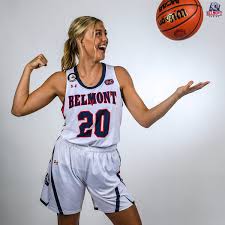
Season preview: HoopsHD interviews Belmont SR F Conley Chinn

We are keeping our fingers crossed in the hope that we can return to a “normal” version of college basketball this fall: fans in the stands, announcers without masks, etc. Nobody knows exactly what is going to happen but we will try to restore some order with season previews featuring the best players/coaches in the country. We continue our coverage with Belmont SR F Conley Chinn. HoopsHD’s Jon Teitel got to chat with Conley about being an Academic All-American and her expectations for this season.

You won 2 straight basketball titles and 3 straight volleyball titles in high school: which sport were you best at, and which sport did you enjoy the most? I always thought that I was better at volleyball: it is brand-new in Mississippi and is growing now but did not start until I was in 6th/7th grade. It was a fun sport that I was good at because I was tall and could jump. I was on the fence for a long time about which sport I preferred. I love them both but the challenges/mental toughness involved with basketball have made me a better person. My high school coach Jan Sojourner is a legend in Mississippi who always taught us to dig deeper/work harder. The second I got to Belmont I know that I would go the basketball route. I did not think that I was good enough to play basketball when Belmont recruited me but I saw there was more potential for me: they have helped me develop my game so much.

You were born/raised in Mississippi: what made you choose Belmont? I had no idea what Belmont was when I was growing up. When I started the college recruiting phase during high school I had a newfound love for basketball/volleyball after joining some great teams. I had a friend who connected me with Doug Bush (who coaches an AAU basketball team in Birmingham) and he thought that Belmont would be a perfect fit for me. The second I started talking with them on the phone it felt like home: just so fun/comfortable. When I set foot on campus I was blown away by how beautiful it is. I got to visit with the girls on the team and see college athletes firsthand and fell in love with all of it. I did not think that playing college basketball was easy but Belmont made the transition easier.

You redshirted as a college freshman after injuring your ankle right before the season started: how bad was it, and how were you able to get back onto the court? It was pretty bad: I had torn ligaments that required surgery. It happened in late-October/early-November and I thought that I could still play on it but it felt like my foot was not even attached. I got an MRI and we decided that I needed surgery. The surgery was in January and the recovery went great with no complications. Since then my ankle has been fine due to plenty of rehab. I got to watch/learn from a very talented team of veterans while sitting out. I think that it was a blessing in disguise because it gave me a year to see what it looks like to work hard and be a great teammate and what it takes to win a title.

In the 2021 NCAA tourney you beat Gonzaga (the 1st NCAA tourney win in school history) before losing to Indiana: what did you learn from your tourney run that will help you this year? I learned to never be content. Part of me was just focused on winning the 1st round, which I was glad we did, but it taught me a valuable lesson about never setting your limits too low. We had a chance to make the Sweet 16 and have an even greater experience. Our team felt sour after losing to Indiana and were disappointed that we let that game go. We see it as an opportunity to push ourselves further and not even set a bar and just keep going, which is relevant in all aspects of life.

Last spring you were named Academic All-American/1st-team All-OVC: what did it mean to you to receive such outstanding honors? It meant the world to me! There have been so many times that I questioned why I pushed myself so hard in the classroom rather than taking the easy path…and that was why. There are great outcomes to putting in hard work, both on the court and in the classroom. When you spend an extra 2 hours studying rather than watching Netflix or shopping with friends, it is hard to not get that instant gratification. I made my parents proud, which made me happy, and I was able to represent Belmont thanks to the great resources/help they have given me. A lot of schools do not value the “student” part of student-athlete but Belmont really emphasizes that part. They provided me tutors and time to study: Coach Bart is always there to help out when our schedules get crazy.

You have a 4.0 GPA in pre-med and want to become a surgeon: how do you balance your work on the court with your work in the classroom? It was a lesson I really had to learn as a freshman. In high school you can just study for a test the night before but in college you cannot get away with that. If you stay up all night to cram then you might be awful in practice the next day because you are tired: it is a domino effect. You have to make time for it every single day so that it becomes part of your lifestyle. I find that talking to my professors during office hours helps me learn the material better. It is all about balance and knowing when you need to rest. I forget this a lot but my GPA does not define me…even though I am proud of it. It is easy to do at Belmont: they have made my academic experience amazing and I love what I have learned so it is easy to put in the hard work.

1 of your favorite athletes is Simone Biles: what was your reaction after seeing her at the Olympics last summer? I am very proud of her. There is a stigma in athletics about “performing at all costs”. I know it is not black and white but nobody can understand what she was going through at that moment. I have had my own moments of needing to step back because my mental health was not in the right place. It took so much strength for her to do what she did: the risk of performing when you are not in the right place outweighed the benefits. I think it was a great lesson for both athletes/non-athletes to acknowledge where they are and do whatever is best for themselves.

Each of your 3 older sisters played basketball: who is the best athlete in the family? That is a tough 1: we might all have a different answer! My oldest sister runs marathons with her husband and another sister was a great soccer goalie as well. My 3rd sister Carly was as fast as can be and I got to do soccer/track/basketball next to her: her competitiveness was unbelievable. We all have our great qualities and I am so blessed to have learned from all of them: I would not be here were it not for them.

Your non-conference schedule this year includes games against Mississippi/Arkansas/Louisville/Auburn: which of these games do you feel will be your biggest test? Our biggest test is just us showing up. People have said that it is 1 of the toughest schedules we have had so far but we love that Coach Bart has so much confidence in us. It is a message that we better be ready. I recall a quote this summer from US Olympic all-around gold medalist Suni Lee when she said, “I believe my normal is good enough”. We have what it takes so it is just a matter of reaching our potential.

What are your goals for this season, and what are your expectations for this season? My goals are for us to win our next game. I would love to finish this year on a really strong note and it would be great to win a conference championship and just keep going. However, I do not want to set an end goal but rather just keep the roof wide open. I want us to be very proud of ourselves and play our best for Belmont.

Posted in Interviews | Tagged , | Comments Off on Season preview: HoopsHD interviews Belmont SR F Conley Chinn

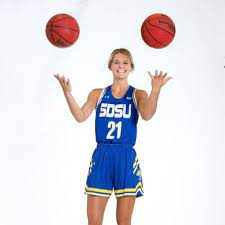
Season preview: HoopsHD interviews South Dakota State SR F Tylee Irwin

We are keeping our fingers crossed in the hope that we can return to a “normal” version of college basketball this fall: fans in the stands, announcers without masks, etc. Nobody knows exactly what is going to happen but we will try to restore some order with season previews featuring the best players/coaches in the country. We continue our coverage with South Dakota State SR F Tylee Irwin. HoopsHD’s Jon Teitel got to chat with Tylee about being a great FT shooter and her expectations for this season.

You made your high school varsity team as an 8th grader: what was it like playing with/against people who were several years older than you? My 1st real varsity experience was in the 8th grade: it was a big change and I remember being very nervous. We had a lot of seniors and there were high expectations but we made it to state for the 1st time in over 25 years so it was cool.

Your high school jersey is now in the Women’s Basketball Hall of Fame: how did that happen, and what was your reaction when you heard the news? My teammate sent me a photo of my jersey hanging in the Hall of Fame next to hers.

You were born/raised in North Dakota: what made you choose South Dakota State? It is not too far from home and they have a winning culture and are focused on academics. I felt that I could jump right in and have high expectations.

You play for Coach Aaron Johnston: what makes him such a good coach, and what is the most important thing that you have learned from him so far? AJ was another big reason I chose South Dakota State. He knows the game really well and has great communication with his players. He expects our best and has had a lot of great players during his time here.

In the 2019 NCAA tourney you became the 1st Summit League team to ever reach the Sweet 16 before a 10-PT loss to Oregon: where does Sabrina Ionescu rank among the greatest players that you have ever faced? I do not think that I will ever face another player as good as Sabrina. The fact that we also played them at home earlier that year was surreal: it was a great year for us and making the Sweet 16 was awesome.

Last season you were named 1st-Team All-Summit League: what did it mean to you to receive such an outstanding honor? We had a very successful year as a team. I had a lot of confidence from my teammates and felt really comfortable in my role. I was shocked to make the 1st-team but also excited.

You were also #14 in the nation with 88 FT%: what is the secret to making FTs? I was not a great FT shooter during my 1st few years but shot a lot at home during COVID. I worked on it during the offseason and know that confidence also helps a lot.

In the 2021 NCAA tourney you had 8 REB/5 AST in a loss to Syracuse: what did you learn from that loss that will help you this year? It was a shock because we actually beat Syracuse in 2019 to make the Sweet 16. We knew that they would be ready to play and they had a very athletic team. There were not a lot of fans in the arena due to COVID and we did not play our best but it was still great to be there.

Your brother Blaze/sister Tawny/mother Darla all played basketball in high school: who is the best athlete in the family? I have to give a lot of credit to all of them for where I am at…but I would consider myself the best!

What are your goals for this season, and what are your expectations for this season? We had some injuries last year and did not play our best in the postseason so hopefully we can make a great postseason run this year.

Posted in Interviews | Tagged , | Comments Off on Season preview: HoopsHD interviews South Dakota State SR F Tylee Irwin

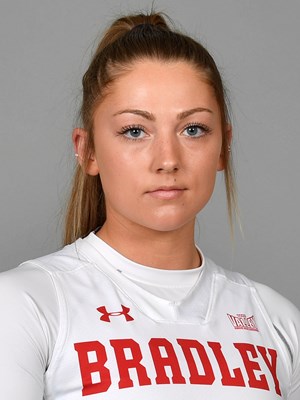
Season preview: HoopsHD interviews Bradley SR G Gabi Haack

We are keeping our fingers crossed in the hope that we can return to a “normal” version of college basketball this fall: fans in the stands, announcers without masks, etc. Nobody knows exactly what is going to happen but we will try to restore some order with season previews featuring the best players/coaches in the country. We continue our coverage with Bradley SR G Gabi Haack. HoopsHD’s Jon Teitel got to chat with Gabi about being named MVC Scholar-Athlete of the Year and her expectations for this season.

In 2018 as a freshman at Bradley you were named to the MVC All-Freshman Team: how were you able to come in and contribute right from the start? Coming into college I knew that it was going to be a big step up from high school with the pace/competition. I spent a lot of time getting in extra shots and doing workouts with my coaches. I made sure to work hard every practice and be patient for my time to play. The Western Illinois game is when it all clicked for me (in her 1st career start she scored a season-high 26 PTS and tied a school record with 8 3PM). From then on I was more confident in myself and was able to make a direct impact.

You set a school record as a junior by making 34 consecutive FTs: what is the key to being a great FT shooter? Being a great FT shooter is all about focus, confidence, and repetition. I make sure to practice my free throws when I am tired and put myself into game-like situations.

In the 2021 NCAA tourney you scored 16 PTS in a loss to Texas: where does WNBA 1st overall pick Charli Collier (23 PTS/15 REB) rank among the greatest players that you have ever faced? I have played against a lot of really good competition throughout my career. Charli is a very talented player and I am excited to follow her career in the WNBA.

Last season you won a ton of awards (including MVC Scholar-Athlete of Year/1st-Team All-MVC/MVC tourney MOP/Bradley Most Outstanding Female Athlete) and were also nominated for the NCAA Woman of the Year award in August: what did it mean to you to receive such outstanding honors? First of all, I am very honored to be recognized for those awards. I would not be the player I am without my coaches, teammates, and the support of my family. I am very thankful to be able to represent my university and be able to leave my mark at Bradley.

You are 40 PTS shy of breaking Karen Anderson’s school-record of 1679 career PTS and 12 3PM short of breaking Dayna Finch’s MVC record of 294 career 3PM: what is the secret to being a great scorer/3-PT shooter? The secret to being a great scorer and 3-PT shooter is my mindset. I know that I have to put in the extra time outside of practice/games if I want to be successful. I make sure to get up high volumes of shots at a fast pace. I also get in extra workouts with my coaches and work on my weaknesses. Another key to my success comes from strength and conditioning. Coach Matt Friend has helped me become stronger and faster, which directly impacts my ability to score.

You are the only player in the nation with 275 career 3PM/700 career REB: how do you balance these 2 very different aspects of your game? I spend a lot of time getting up high-volume shots at a fast pace and practicing game-like shots. Shots may not always fall but rebounding is a choice and is something that I can do no matter how I am performing.

Last summer you became the 1st woman ever to participate in Florida’s football strength and conditioning summer intern program: how did it go, and will we see you become a strength and conditioning coach in the future? This summer was mentally and physically the most challenging experience I have ever been a part of…but it was 100% worth it! I grew in so many ways and learned that being a strength and conditioning coach is what I want to do with my life after basketball. The UF Strength and Conditioning football coaches taught me so much and I am very thankful to have been the first woman to take part in the internship under that staff.

You have a 3.81 GPA as an elementary education major and are student-teaching this semester: how are you able to balance your work on the court with your work in the classroom? Time management. My parents taught me at a young age that school always comes before sports. I also have a lot of wonderful people and resources who have helped me during my time at Bradley.

Your father Dan was your basketball coach during elementary/junior high school and your sister Lydia plays D-2 basketball: how much of a role does the sport play in your family’s life? My family has always been involved in sports and we have always been a basketball family. My dad has coached all of my siblings: I remember going to Jordan, Lydia, and Carson’s basketball games when I was younger. Having my dad as my coach from kindergarten through 8th grade was very special. He taught me so much about the game and helped me develop many intangibles that can be used both on and off the court. Basketball has played a major role in my life and has given me many relationships/friendships that will last a lifetime. Basketball plays a major role in my family because it is something that we all enjoy and it brings us together.

What are your goals for this season, and what are your expectations for this season? My goal for this season is to hang another banner! I have the same expectations for this season that I did last year. We need to control what we can control and not take anything for granted.

Posted in Interviews | Tagged , | Comments Off on Season preview: HoopsHD interviews Bradley SR G Gabi Haack