Season preview: HoopsHD interviews new Tennessee women’s head coach Kellie Harper

CLICK HERE for all of our extensive Preseason Content

We continue our season preview coverage with new Tennessee women’s head coach Kellie Harper. The Lady Vols have had a pretty good run of head coaches over the past 50 years. Margaret Hutson went 60–18 during her 4 years as coach, Pat Summitt won 1098 games including 8 NCAA titles from 1987-2008, and Holly Warlick made the NCAA tourney during each of her 7 years from 2013-2019. In April the school turned to former player Kellie Harper to uphold the tradition. Harper won 3 straight NCAA titles as a player under Coach Summitt in the late-1990s, then led 3 different schools to the NCAA tourney as head coach during the past 15 years. HoopsHD’s Jon Teitel got to chat with Coach Harper about going 39-0 in 1998 and having her husband as 1 of her assistant coaches.
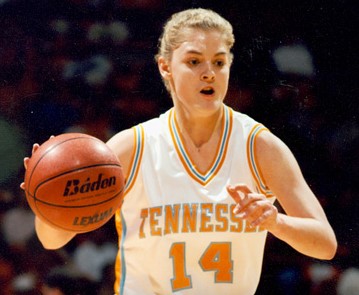
You grew up in Tennessee: what made you choose the Lady Vols, and what was it like to play for the legendary Pat Summitt? I wanted to play for the best program in the country so I chose Tennessee. Playing for Pat was intense and demanding but also very rewarding. We were playing for the most famous woman in the state of Tennessee and, of course, all of basketball.

You were the starting PG for a program that won 3 straight titles from 1996-1998: did it reach a point where you just expected to win every time that you stepped onto the court, and where do you think that 1998 team that finished 39-0 ranks among the best in the history of the sport? Quite frankly, yes. We expected to win every game we played regardless of who or where we were playing. We believed we were going to win a national championship each year.

In the 1997 NCAA title game you set a record with 11 AST in a win over Old Dominion and in the 1998 NCAA title game you scored a career-high 20 PTS/4-5 3PM in a win over Louisiana Tech: how were you able to play your best when it mattered the most? I think those were games in which our opponents had to game-plan a little more for our All-Americans. You cannot guard Chamique Holdsclaw/Tamika Catchings/Semeka Randall without giving up something. I was open a bit more and needed to make a few more plays for our team in those games.

You are 1 of a handful of women’s basketball coaches to lead 3 different schools (Western Carolina/NC State/Missouri State) to the NCAA tourney: how have you been able to be so successful at so many different programs? First of all, we want to do things the right way. Second, our teams have been known for their effort and toughness and ability to improve over the course of a season. We were also fortunate to recruit talented players who fit our system.

Last season as head coach at Missouri State you started 1-7 but ended up being named conference COY after winning 25 games and making it all the way to the Sweet 16 before losing to Stanford: how were you able to turn things around last December despite having only 1 senior on the roster? We knew that we had a talented roster, albeit very young. Our biggest hurdle was getting our players to believe in themselves (and each other) early in the season when things were not going well in the win column while playing a pretty rigorous schedule. Our team bought in and improved…and it paid off in a big way.

You were hired as head coach of your alma mater in April: could you have ever imagined becoming the Tennessee head coach when you were playing there 20 years ago, and how is it going so far? No. This is something that I never dreamed about growing up, probably because I felt (as did everyone else) that Pat was going to coach forever. Things have gone well thus far. I have had a lot on my plate, which is normal during a transition, but I have a tremendous staff that is working very hard to help this program be where it needs to be.

1 of your assistants is your husband Jon: what is the best part of having your husband work for you, and what is the not-so-best part? The best part of us working together is having a husband who not only completely understands the demands of this job but is just as invested as I am. The not-so-best part is navigating our schedule while raising 2 children: it takes some creative juggling at times. This program is a big part of our family, and vice versa, so our children have a lot of big sisters and are growing up in a unique environment.

You went 4-2 vs. UConn during your playing career: what is your favorite memory from any of those 6 games, and how excited are you to be renewing the rivalry this January as the schools face each other for the 1st time since 2007? Those games were usually very intense and well-attended. One of my favorite memories was back in 1997 when we beat UConn in Iowa City to go to the Final Four. Our team came together strong and peaked at the right time to win a national championship.

1 of your incoming freshmen is Jordan Horston, who was named MVP of the McDonald’s All-American Game last March: how does she look so far, and what kind of an impact do you think that she can make this season as an 18-year old? Jordan is a talented and competitive young lady and a wonderful person. I have enjoyed coaching her and am excited about her future. Jordan is a playmaker who makes her teammates better because of her ability to create with the ball.

What are your goals for the upcoming season, and what are your expectations for the upcoming season? I want our team to be the best possible team that we can be. I want to see us maximize our potential and show continued improvement throughout the season. Those are goals that would put us in strong contention for postseason advancement.
Posted in Interviews | Tagged , | Comments Off on Season preview: HoopsHD interviews new Tennessee women’s head coach Kellie Harper

Season preview: HoopsHD interviews Belmont SO C Nick Muszynski

CLICK HERE for all of our extensive Preseason Content

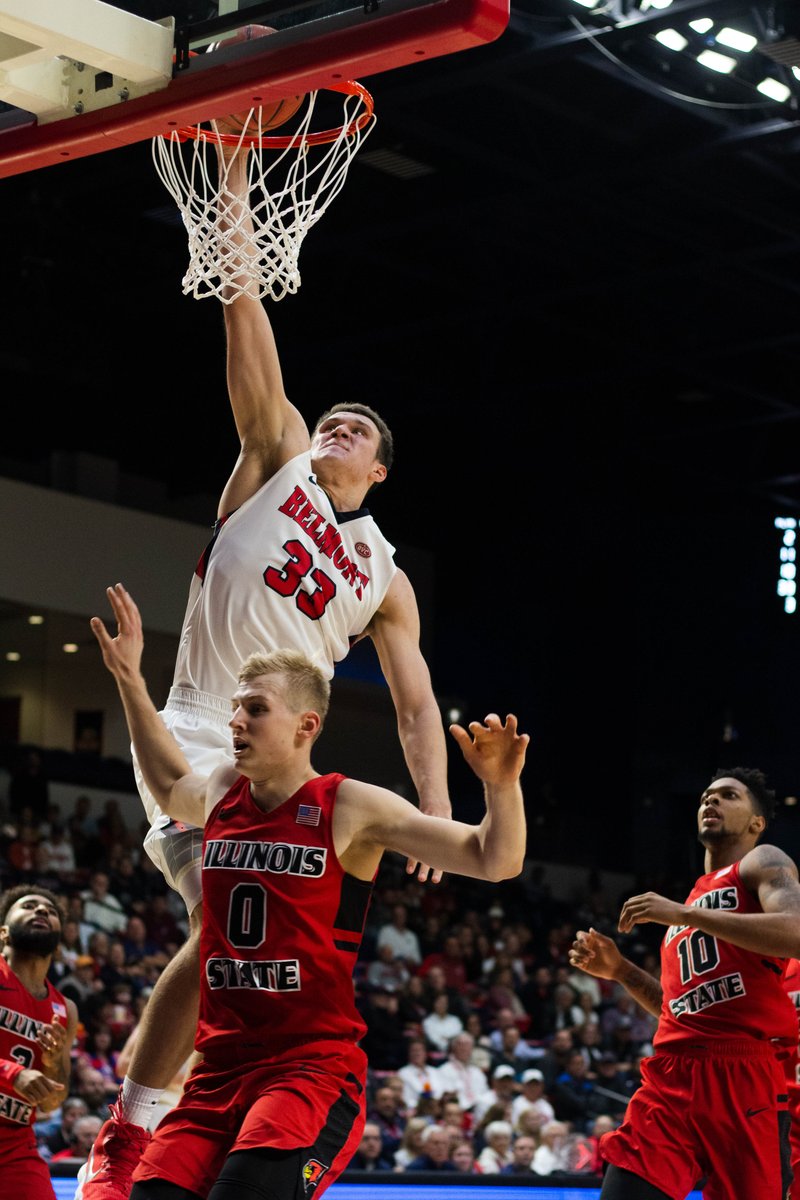
We continue our season preview coverage with Belmont SO C Nick Muszynski. Rick Byrd finished up his 33rd and final year as head coach of the Bruins in style last season by going 27-6, winning his 5th OVC regular season title in 7 years of league membership, and beating Temple in the 1st 4 before almost upsetting Maryland. Casey Alexander comes in to replace Byrd and will rely on a sensational sophomore class include the 6’11” Muszynski, who was named conference ROY after finishing top-25 in the nation in both FG%/BPG. HoopsHD’s Jon Teitel got to chat with Nick about his fabulous freshman season and bouncing back from ankle surgery.

You grew up in Ohio: what made you choose Belmont? Ever since I was a kid my ultimate dream was to play in the NCAA Tournament. Belmont offered as great an opportunity as any other school for me to play in the Tournament on a yearly basis. Combine that with the great campus/city, a team that I gelled with from the start, and a top-end coaching staff who I developed a great relationship with…and I had found a perfect fit for myself.

You have a new coach this year in Coach Casey Alexander: what makes him such a good coach, and what is the most important thing that you have learned from him so far? His ability to relate to his players by both demanding that we bring our best everyday but also understanding what it is like to be a student-athlete at this level. The most important thing that I have learned from his thus far is how to handle adversity in a more positive manner. I love the game of basketball and that makes me a very emotional player. Coach has done a great job of trying to help me learn how to channel my emotions in a way that has a positive impact on our team at all times.

You redshirted during your 1st year on campus: why did you decide to do so, and how did it help you become the player you are? Our center position was very cluttered during my freshman year with 4 true centers including myself plus our senior captain Amanze Egekeze (who played a good bit of center in our “small-ball” lineups). I decided that I wanted to get the most out of my 4 playing years at Belmont and focused heavily on the things that I needed to work on the most, which was primarily learning our offensive system, learning how to defend better in 1-on-1 situations down low, and adjusting to the physicality/pace of the college game through lots of practice reps and time in the weight room.

Last year you started 32 games, were named to the All-Conference 1st team, and won the conference ROY award: what did it mean to you to receive such outstanding honors? It means a lot that I was recognized for these awards: I think it speaks volumes about the abilities of my teammates/coaches. The fact that a team with so much talent/leadership/experience (along with such an extraordinary coaching staff) was willing and able to put that amount of trust in myself (along with multiple other young/inexperienced players such as Grayson Murphy/Caleb Hollander/Tate Pierson/Adam Kunkel) says so much about how special our program is here at Belmont.

Your 60.4 FG%/2.2 BPG were both top-25 in the nation: what is the secret to being a great shooter/shot-blocker? When it comes to the FG%, I think the key is just to trust the incredible offensive system that our coaches have in place and trust that all 5 guys will constantly be working to get the very best shot that we can get every time down the floor. When we do that we are a fun, high-paced team that scores a lot of points in a super-efficient manner. As for shot blocking, my size/length obviously have a great deal to do with my ability to block/alter shots on the defensive end, in addition to a sense of timing that I have been working on since I first started to play the game. Ideally I will be able to continue to block shots at a high rate while also improving my 1-on-1 post defense and pick-and-roll defense, which are 2 areas that I have focused on a lot since last season.

You missed the OVC tourney title game with an ankle injury: how did it feel to be unable to face Murray State, and how is your health doing at the moment? Missing the Murray State game was undoubtedly the lowest point last season. Knowing that I was unable to be out on the court and compete with my teammates during our biggest game of the year was heartbreaking, and I was so thankful to get to compete with them 2 more times on the biggest stage. The roller coaster of emotions that we all felt starting that Friday and ending after the Maryland game were more than most teams feel during a whole season. However, I would not change our experience for anything! Shortly following the Maryland game I had surgery on my ankle that kept me sidelined for approximately 4 months. Thanks to the tremendous work of my doctors and our training staff I am back and have been put in a great position to not only be back but be even better than I was before the injury come this November!

In the 2019 NCAA tourney you had 16 PTS in a win over Temple and 3 BLK in a 2-PT loss to Maryland: how close did you come to pulling off the upset against the Terps, and what did you learn from that experience that will help you this year? Obviously with it being only a 2-PT loss it was an extremely close game. However, when you go back to that game you can see there were about 4-5 instances where we missed a loose ball, they got a fingertip on a pass, or we were an inch too far across the baseline from being in a much better position than attempting a half-court heave at the buzzer for the win. The main thing I took from that experience is just how small the margin is between winning and losing. Paying attention to every little detail throughout the course of the game is so critical because you never know which small/minor details will add up to winning or losing the game.

Your non-conference schedule includes road games at BC/Alabama: which of these games do you feel will present your biggest test? We play an incredibly difficult non-conference schedule this season, with teams like St. Louis, Lipscomb (twice), Middle Tennessee, Western Kentucky, and Illinois State on our slate in addition to those 2 games you mentioned. When I look at our schedule I do not see 1 game that stands out but rather a stretch of tough games (almost all of which are on the road) that will force us to bring it every single night and prepare us for our conference slate and ultimately the OVC Tournament in Evansville.

You graduated your top-2 senior scorers from last season in Dylan Windler/Kevin McClain: how will you try to replace all of that offense/leadership? I feel like those are not things that any 1 guy on our team can replace but rather something that we will have to do collectively. One area where I think this team has a leg up on last year’s team off the jump is our depth. This team has even more youth than last season (which is hard to believe because we started 3 freshmen in more than half of our games!) but we have a ton of talent and lots of guys who simply love to play the game of basketball. As for leadership, we have a pair of 5th-year seniors and a handful of underclassmen who played significant roles last year who know what it takes to win big games and play Belmont Basketball the way that it is supposed to be played, so I think collectively we have what it takes to lead this team back into the heart of March.

What are your goals for the upcoming season, and what are your expectations for the upcoming season? I feel like our goals/expectations are fairly similar to most seasons. We want to win the OVC regular season championship, get to Evansville and win the conference tournament, then go to the NCAA Tournament and win some games there too. At the end of the day our expectations are for everyone to bring it every single night, play hard, and play for each other. I am very confident that if we do those things then we are going to accomplish a lot of those goals…and have a whole lot of fun doing it!

Posted in Interviews | Tagged , | Comments Off on Season preview: HoopsHD interviews Belmont SO C Nick Muszynski

Season preview: HoopsHD interviews Oklahoma State assistant coach Scott Sutton

CLICK HERE for all of our extensive Preseason Content

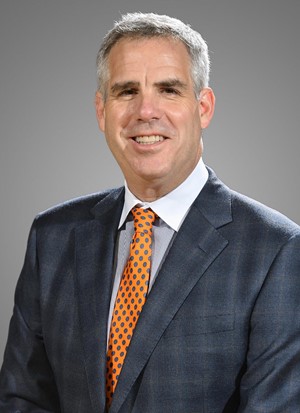
We continue our season preview coverage with Oklahoma State assistant coach Scott Sutton. As much as head coach Mike Boynton Jr. enjoys the experience his team has on the court (5 seniors and 1 grad student), he certainly enjoys the experience he has on his sideline as well. He has an assistant he worked with at Stephen F. Austin (Erik Pastrana), a special assistant who has won more than 100 games as a head coach (John Cooper), and a director of player development who is 1 of the best 3-PT shooters in school history (Keiton Page). Another fountain of knowledge on the bench is assistant coach Scott Sutton: son of the legendary Eddie Sutton, the winningest coach in Oral Roberts history, and 3 NCAA tourney appearances/3 conference COY awards on his resume. HoopsHD’s Jon Teitel got to chat with Coach Sutton about his fantastic father and his own head coaching success.

You played for your father Eddie Sutton at Oklahoma State: how did you like playing for your dad, and what made him such a great coach? I loved it. It was a great opportunity to be a part of the program and see my dad every day: it was a very rewarding experience. I think what separated him from other coaches was not just his great knowledge of the game but the fact that he always got the most out of his players. He could challenge them and make them better without losing them. They knew that he cared about them and that he wanted them to be the best they could be.

What are your memories of the 1993 NCAA tourney (James Brewer scored 26 PTS in a win by Louisville)? The first thing I remember is that we played at the Hoosier Dome: it was so much bigger and different than anywhere else I had ever played before. We beat New Mexico State and then drew Louisville, who was a top-4 seed. We played great in the 1st half but then their experience/talent took over and they pulled ahead and beat us.

What are your memories of the 1994 NCAA tourney (Bryant Reeves scored 32 PTS in a 2-PT loss to Tulsa)? We won the 1st round rather handily. It was down in Oklahoma City so it was great to have the opportunity to play in front of our own fans. After we got through we figured that we would be playing UCLA. The Bruins had a very talented team and went on to win the national title the following year with the same core group. However, they ran into a Tulsa team that put on a great performance and beat them. Between our 1st and 2nd games we had a starter suspended, which hurt us, but we still got out to a 16-PT halftime lead. Tulsa came out in the 2nd half and played fantastic. I think that was the 1st time that many people had heard of Tulsa coach Tubby Smith, who obviously has had a great career. It was my last game as a player so it was a painful/disappointing loss.

1 of your Cowboy teammates was Brooks Thompson, who later led Texas-San Antonio to the NCAA tourney: what was Brooks like as a player, and what made him such a great coach? He was extremely confident. We came in the same year and both redshirted after transferring in. He became 1 of my very best friends when we played on the scout team together. We had a great scout team that year too with Randy Rutherford/Von Bennett (who went on to be a great center). We also had a great backcourt led by Corey Williams: my brother Sean, Darwyn Alexander, and Brooks went head-to-head with those guys every day in practice and never backed down. He worked his tail off too, which I think helped him eventually play in the NBA, and I think that same competitive spirit allowed him to be a great coach as well.

In 1995 you were hired to be an administrative assistant at Oral Roberts for Coach Bill Self: why did you take the job, and could you tell at the time that Self was going to become a championship coach? Bill called my dad about an administrative assistant position that he was creating: these days you would probably call it a director of operations. I knew that I wanted to get into coaching and had a passion for it so I took the job. You never know exactly what kind of success someone will have but I certainly knew that he was something special. He had the same intangibles as my dad when it came to interacting with his players.

What are your memories of the 2006 NCAA tourney as head coach at ORU (Larry Owens had 13 PTS/11 REB in a loss to Memphis)? 2006 was a special year. I think that our 2005 team was 1 of the best teams that we ever had but we were upset in the finals by Oakland on a last-second shot: it was a crushing loss. We dominated the regular season and came back to play for the title again so to be able to celebrate with those guys was very memorable. I actually thought we got a bad seed that year. It was our 1st time going to the NCAA tourney so we got a #16 seed and had to play Coach John Calipari and 1 of his best Memphis teams. We actually led with about 4 minutes to go in the 1st half and the crowd got behind us because we were the underdog…and then they hit us with a 16-2 run and we never really got back into it.

What are your memories of the 2007 NCAA tourney (Ken Tutt scored 19 PTS in a loss to Washington State)? We had great players that year with Caleb Green/Ken Tutt, who came in together in 2003. We came back and won it again and had what I thought was a really good draw in Washington State but we did not play well in the 2nd half, which was really disappointing. I think that it was easier the 1st time because we knew what we were up against but we really believed that we could win in 2007.

You are the all-time winningest coach in Oral Roberts history: what makes you such a great coach, and do you think that anyone will ever break your record? I was in a very unique situation at ORU. There were 3 main things that allowed us to succeed. #1: the school supported basketball. I had a great boss in Mike Carter and the school understands the importance of basketball, which dates all the way back to when Oral Roberts himself was president. The 2nd thing is that we had a great staff. I was able to keep assistant coaches for a long time, and when they moved on to bigger things I was able to replace them with outstanding people. The 3rd thing was recruiting players. We were able to do a great job of recruiting high-level players, which allowed us to win a bunch of games. As for the record, few coaches have been at a mid-major program as long as I was. Usually you either have success and move on or you do not have success and it eventually costs you your job. I think that it would take someone in a similar situation who comes in and loves the university and wants to stay there, but I certainly think others will win here. It is a great job: a place where you should be in the top 2-3 in your league every year.

Your older brother Sean played/coached at Oklahoma State and made the NCAA title game last year as an advisor to Texas Tech coach Chris Beard: who is the best athlete in the family? Sean was a great basketball player: he has a tremendous understanding of how to play and is very athletic. I think that knowledge allowed both of us to play at a high level.

Posted in Interviews | Tagged , , | Comments Off on Season preview: HoopsHD interviews Oklahoma State assistant coach Scott Sutton

The Hoops HD Report: NAIA Session

Chad, David, and John are joined by Junior from NAIAHoopsReport.com and we take a look at the NAIA, which if you do not know is an exciting level of college basketball outside of the NCAA.  We discuss how it’s unique, who some of the better teams are this upcoming year, and why it is an exciting opportunity for players, coaches, and fans.

CLICK HERE to check out the website

This is audio only, so our radio lovers are happy.  Our TV lovers are just S.O.L.

Posted in Hoops HD Report, Podcasts | Tagged | Comments Off on The Hoops HD Report: NAIA Session

Season preview: HoopsHD interviews SMU women’s head coach Travis Mays

CLICK HERE for all of our extensive Preseason Content

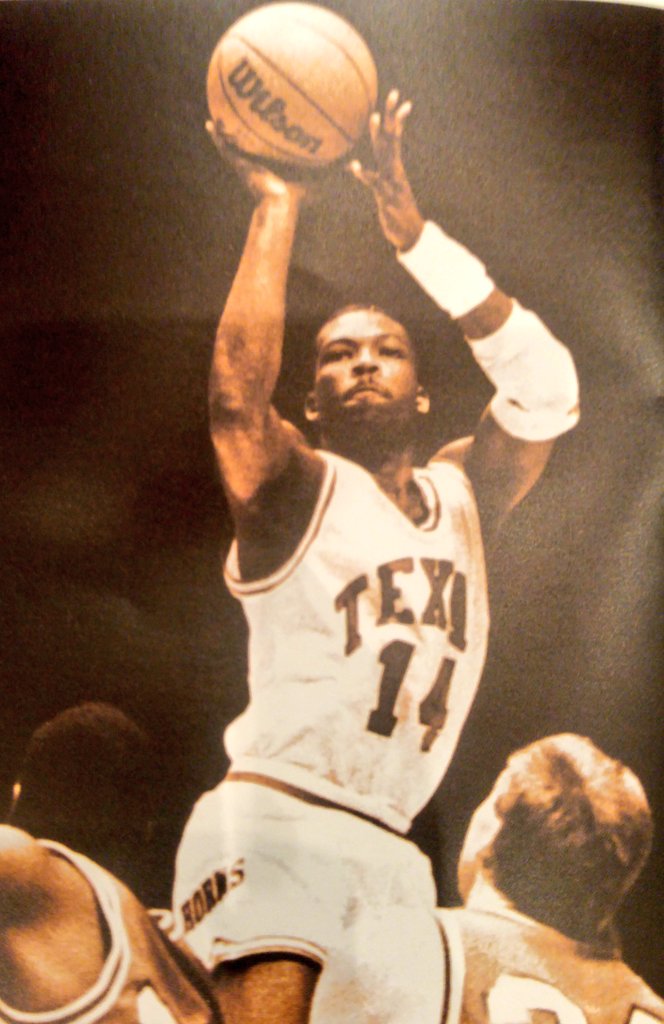
We continue our season preview coverage with SMU women’s head coach Travis Mays. He first gained fame in the state of Texas as a player for the Longhorns: 1990 Elite 8, 2279 career PTS (#2 in Southwest Conference history), and the 1st player to earn back-to-back SWC POY honors. After being drafted 14th overall in the 1990 NBA draft, he spent 3 years in the NBA before playing almost a decade of pro basketball overseas. After retiring he spent 15 years as an assistant at several big-time college programs and was named head coach at SMU in 2016. HoopsHD’s Jon Teitel got to chat with Coach Mays about being a great scorer and playing against Michael Jordan.

As a freshman on Valentine’s Day 1987 you made a 3-PT shot with 1 second left to clinch a 2-PT win on the road at SMU: where does that rank among the biggest shots of your career? I did not hit many game-winners at the buzzer during my career so it is 1 of those shots that would cause you to run around the neighborhood as a kid. It was not that big of a game but as a freshman it made me feel somewhat more accepted. It was 1 of the coolest moments of my basketball career.

What are your memories of the 1989 NCAA tourney in Dallas (you scored 23 PTS in a 6-PT win over Georgia Tech)? We were a team that was trying to prove itself because nobody knew who we really were. Georgia Tech had Tom Hammonds/Brian Oliver/Dennis Scott and were a nationally-known team under Coach Bobby Cremins. It was a notch in our belt to knock off 1 of the big guys: we wanted to prove ourselves.

You were a 2-time SWC POY and in 1990 you were named All-American: what did it mean to you to receive such outstanding honors? I always played with a chip on my shoulder. The SWC was not a power conference back then. I wanted to go pro so I figured that I would have to be the best player in the conference. It gave me a huge amount of confidence, especially because I could not sneak up on anyone during my senior year. That also rates at the top of my list of personal achievements.

Take me through the 1990 NCAA tourney:
You scored a tourney-school-record 44 PTS in a win over Georgia (including a whopping 23 FTM): was it just 1 of those scenarios where every shot you put up seemed to go in because you were “in the zone”? I do not know if I was in a zone but I did everything in that game with a serious purpose. I did not go out trying to score 44 PTS…but if it was going to be my final game then I wanted to go out as the leading scorer in school history. Guys kept fouling me so I made them all count.

You scored 16 PTS and made 2 FT with 7 seconds in a 1-PT win over Purdue: what is your secret to making FTs? My college coach once told me do not look back wishing you could have spent more time practicing FTs. The key is repetition but when they foul you then you have to make it count.

You scored 20 PTS but missed a 3-PT shot with 17 seconds left in a 3-PT loss to Arkansas: did you think that your shot was going in, and what was the feeling like in your locker room afterward? I absolutely thought that it was going in. When it fell short I followed it but ended up getting my 5th foul and fouling out. When the ref blew his whistle I laid on the floor for a few seconds because I realized that my career had come to a close. Coach Tom Penders came out to see if I was injured and I told him that it was my last shot in a Texas uniform. He patted me on the back and let me lay there for awhile.

In the summer of 1990 you were drafted 14th overall by Sacramento: did you see that as a validation of your college career, or the realization of a lifelong dream of reaching the NBA, or other? It meant everything: it validated my hard work and put a stamp on me as 1 of the best in the world but it was also a lifelong dream. It felt like a time to exhale for a short moment and get to shake Commissioner David Stern’s hand…but then realize that I had to get to work because I was starting over again.

In your 1st season you averaged 14.3 PPG and were named 2nd-team All-Rookie: how were you able to make such a smooth transition from college to the NBA? The confidence and hard work helped me a lot. Playing against the best throughout my college career had me looking forward to accept the challenge of the NBA. My teammates like Rory Sparrow/Wayman Tisdale made me feel like a part of the team and became some of my best friends, as well as Ralph Sampson. It is great to have veterans like that who want to see you become successful. There are very few people who everyone says the exact same thing about but everyone described Wayman as a great person/family man. He made you feel special but he was like that with everyone.

In the 1993 Eastern Conference 1st round as a player for Atlanta you were swept by 2-time-defending-champ Chicago: what was it like to play against Michael Jordan in the playoffs? My 1st experience against him was during my rookie season and it was phenomenal. It is 1 thing to see him on TV and another to walk onto the court and play against 1 of the greatest of all time. Rory and Michael were good friends and during my 1st year Rory told Mike, “I got a rookie who is going to get right in your jock tonight”: I wish he had let that dog lie! Jordan dunked the ball and threw it right back to me, which I will always remember. Michael said after the game that he had tremendous respect for me and compared my defense to Gary Payton, which was 1 of the greatest compliments that I have ever received.

After retiring from the NBA you played in several foreign countries (including Greece/Israel/Turkey/Italy): what did you learn from these experiences, and how did they compare to the NBA? I learned a lot during my 1st year in Greece because they had a lot of great American players over there: Walter Berry/Rolando Blackman/Thurl Bailey/etc. I learned that the NBA is not the only place where they played competitive basketball so I never took it for granted. I got injured in Atlanta, which is what caused me to go abroad.

In 2002 you became a coach/scout for San Antonio of the WNBA, and later served as an assistant to Hall of Fame coaches Jody Conradt (at Texas)/Van Chancellor (at LSU): what is the biggest difference between men’s basketball and women’s basketball? The biggest difference is the athleticism. There are some exceptional female players like Maya Moore/Candace Parker who can create separation, but most of the success is based on execution. In the men’s game a guy can be out of position but still use his athleticism to recover and make a play.

In 2012 you were re-hired as an assistant at your alma mater: why did you take the job, and what do you hope to do in the future? It was a no-brainer for me. When I 1st came to Texas as a player the program was not where everyone wanted it to be. It put a lot of joy on the fan’s faces after we helped bring it back to national recognition. As a student-athlete I reaped the benefits of that by being accepted in the community, so I can relate my story to all of the new players who come in and want to take a program back to the national level. I also liked the opportunity to work in Austin where my family was living. I will continue to sharpen my craft and who knows where it will lead.

Posted in Interviews | Tagged , , | Comments Off on Season preview: HoopsHD interviews SMU women’s head coach Travis Mays

Season preview: HoopsHD interviews Temple assistant to the head coach Mark Macon

CLICK HERE for all of our extensive Preseason Content

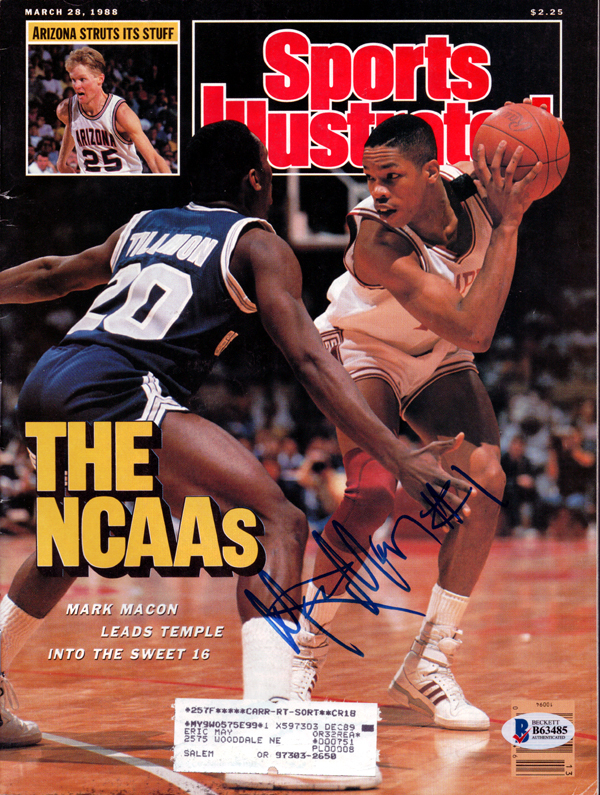
We continue our season preview coverage with Temple Assistant to the Head Coach Mark Macon.  Macon showed up in North Philly in the late 1980s and started rewriting the Owl recordbook: 2609 career PTS (#1 in school history), 281 STL (#2 in school history), a #1 ranking in the 1988 AP poll, national Freshman of the Year, and the only 4-time 1st-team All-Conference player in A-10 history. After playing 6 years in the NBA, he later returned to campus as an assistant to Hall of Fame coach John Chaney, and now he is back on the sideline with fellow former A-10 POY/new Temple head coach Aaron McKie. HoopsHD’s Jon Teitel got to chat with Mark about being a great scorer and working for Coach Chaney.

In the 1985 Michigan High School Class B state title game Roy Marble scored 25 PTS and his Flint Beecher team made a 15-foot jumper at the buzzer for a 2-PT 2-OT win over your Buena Vista High School team to finish the year with a perfect 27-0 record: how devastating was it to come so close to winning it all and fall just short? It was devastating to lose after working so hard to get there, but at the time it was considered 1 of the best games in state history. I loved Roy as a person: he was a great athlete and a great person. Our goal was not just to get there but to win it all.

Take me through the 1986 state tourney:
You scored 46 PTS against Gladstone in the quarterfinals (the 6th-most PTS in Michigan state tourney history): was it just 1 of those situations where every shot you put up seemed to go in because you were “in the zone”? No: that came from hours and hours of hard work and practice. I was confident in myself and my teammates were confident in me as well so we believed that we could win and were never afraid to do whatever we had to do. If someone could not do the job then someone else would step up.

After Beecher’s Ernest Stewart made a FT with 3 seconds left, Chris Coles made a 54-footer at the buzzer for his only PTS of the game in a 1-PT win in the state title game: where does that rank among the most amazing shots you have ever seen? It definitely ranks right at the top that I have seen in person. I had total confidence that something good was going to happen…and it did. There was a miracle-like energy in the building.

In 1987 after graduating with 2490 PTS you were named Michigan Mr. Basketball (ahead of future pros like Anderson Hunt/Steve Smith) and Athlete of the Decade by the Saginaw News: do you consider yourself to be 1 of the best players in state history? That is up to the opinion of others but I knew that I was just as good as anyone else in our state. Growing up in my era there were a lot of great players but I rode on the shoulders of players like Kermit Washington and Tony Smith and many others. There was always good competition in the area who made sure that you would have a tough time playing pickup ball. Even when I was in the 5th grade I looked up to guys who showed me that small guys could succeed. I played against guys like Terry Mills/Glen Rice and those battles helped make me who I was. Every team you played against had several guys who went on to play in D-1. My 2 brothers were also important in everything I did as a basketball player because I had to get on their shoulders 1st.

That same year you were named MVP of the McDonald’s All-American Game after scoring 14 PTS in an 8-PT win by the East: which of your fellow players impressed you the most (Larry Johnson, Marcus Liberty, Dennis Scott, other)? I had played against Marcus and he could do everything. I also knew what the others could do. LaBradford Smith and Rodney Monroe were fellow 2-guards like me so I was excited to compete against them. Brian Shorter was a monster and was the best player there, bar none. Elliott Perry was my roommate so I will never forget him.

In 1988 at Temple you scored 20.6 PPG and were named national Freshman of the Year: how were you able to come in and be so successful right from the start? Training. I spent countless hours training myself to be prepared defensively, which we ran during my final year of high school. I knew how to cut and handle the basketball so I just had to be ready mentally to play. The coaches put me in a position to come in and do things right away.

In 1989 you scored 14 PTS and set a school record with 11 STL in a 4-PT loss at Notre Dame: what is the secret to being a great defender? Anticipation. I always loved playing defense but you have to know what you are looking for. You have to read a guy so that you know what he can and cannot do. You have to run lanes and go behind guys. It was great to get all of those steals but it did not help because we ended up losing the game. My family got a chance to come down from Michigan to see me in South Bend.

Take me through the 1991 NCAA tourney:
You scored 26 PTS in a 9-PT OT win over Oklahoma State: did you feel any redemption by leading your team to victory at the Meadowlands (the location of your 1988 NCAA tourney loss to Duke)? I do not think that it was about redemption: we were just trying to win games because the more we played the better we got. We knew how to play as a group so after I fouled out of that game it was up to my teammates to win it. They were able to close the deal because they trusted each other: it was an awesome game against a heck of a team.

You scored 31 PTS but missed a 25-footer at the buzzer in a 3-PT loss to #1-seed UNC: did you think the shot was going in, and were you surprised to be named East Regional MVP in a losing effort? I thought that every shot I took was going in due to my focus and confidence. Had that shot went in there was no way they were going to beat us in OT. Being named MVP meant nothing to me because it did not help us get to the Final 4. It was heartbreaking to see teammates like Donald Hodge on the ground crying because they wanted to get there so bad. We had to fight just to get into the tourney and I tried to do everything in my power to get us to the Final 4.

You were a 3-time All-American, 1991 conference POY, and the only 4-time 1st-team All-Conference selection in A-10 history: what did it mean to you to win such outstanding honors? That was all great but I do not make a big deal about it. I think the 4-time 1st-team selection is an awesome thing but I just wanted to win as many conference titles as I could. To look back at it now, it is a heck of an honor and I am very proud of that.

You remain the all-time leading scorer in school history: did you realize at the time how prolific a player you were, and do you think that anyone will ever break your record? Not really: I just knew that I was going to bust it open because I almost broke the record as a sophomore! I was not trying to turn pro until I finished school: that was my goal. I love having the record but I really hope that someone will stay in school for 4 years and eventually break it. Books and ball were the 2 most important things in my life: everything else came after that.

In 1992 you averaged 2 SPG (10th-best in the league) for Denver and were named to the All-Rookie team: how were you able to make such a smooth transition from college to the NBA? Same thing: training. I also had the mentality to want to be great. I was so intense that my teammates told me to laugh and smile a little more, which I did…until I hit the floor. As a pro athlete the key is mental training: when you are at a level where everyone can do what you can do physically you need a mental edge. Even if I could not stop someone I would try to make it as hard as hell for them to score.

You were an assistant at your alma mater under Coach John Chaney from 2003-2006: what made him such a great coach, and what was the most important thing that you ever learned from him? He taught me to take care of the small things so that they would not become big things: do not turn the ball over! I had to learn how to teach young men how to play the game even if they did not have the same amount of talent and intensity that I had. I learned that Coach Chaney was just as hard on his newer players as he was on us back in the day. He was more of a teacher when I worked for him: the players were more athletic but not all the young men today are as cerebral as we were back in the day.

You previously spent a few years as head coach at Binghamton: how did you like being a head coach? I was not prepared to be a head coach but I loved it. I was becoming a good administrator and a better coach. I had a 5-year plan when I arrived in Binghamton but it turned into a 2½ year plan. I think that I have a lot to offer if someone is willing to take a chance on me. I believe in loyalty to your players and assistants.

Posted in Interviews | Tagged , | Comments Off on Season preview: HoopsHD interviews Temple assistant to the head coach Mark Macon