The Agent Perspective: HoopsHD interviews Knight Commission on Intercollegiate Athletics panelist Jon Fetterolf

The Knight Commission on Intercollegiate Athletics is an independent organization that promotes reforms to support/strengthen the educational mission of college sports. Formed in 1989, the Commission has a diverse composition that includes university presidents, former college athletes, and leaders in the field of higher education. At its meeting last month in Washington, DC, which HoopsHD was invited to attend, the Commission discussed recommendations made by the Commission on College Basketball that is chaired by Condoleezza Rice. 1 of the many panelists that day was Jon Fetterolf, a partner, at the law firm of Zuckerman Spaeder who is also an MLB-certified agent. HoopsHD’s Jon Teitel got to chat with Mr. Fetterolf about a wide array of topics including transfers, contact with agents, and the 1-and-done rule.
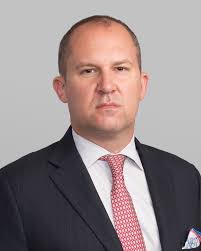
Even though your professional background is in baseball, what is the biggest change you would suggest that the NCAA make in regard to its basketball rules? The 1 area I was asked to talk about at the Knight Commission meeting was about advising players whether to go pro/sign a contract. I think it is crazy to take away the chance for college kids to talk to professional agents/legal advisors. Baseball players can turn pro after high school and I think that basketball players should be treated the same way. Who are we to keep kids from pursuing their careers, and if they are ill-equipped to negotiate a contract on their own then they should have someone who can help them to get ready for such a situation. They should not get paid any money while they are still an amateur, but I think that they should be allowed to receive free advice.

If 40% of incoming D-1 freshmen end up transferring by the end of their sophomore season and 60% of players who transfer do not go to another D-1 school, then what can we do to address this epidemic? As a fan I am aware of it but I have not studied the issue in depth at my job. 1 of the more famous examples was Alex Fernandez: he started at Miami and was an All-American pitcher but later transferred to Miami-Dade Community College to be eligible to enter the MLB Draft: that is crazy that he needed to do this. You read articles about how certain coaches do not allow/approve of transfers, but maybe we should give people the avenue to become a pro athlete without having to go to college 1st. I assume that a lot of basketball players who decided transfer often just want to get some more playing time.

The NCAA Committee on Academics has recommended an academic benchmark (minimum 3.0 GPA) for athletes to be able to transfer without any restrictions: do you agree or disagree with this proposal? If you ultimately take the view of giving people the option to turn pro without any restrictions, then I think a minimum GPA is relevant/important because we want the players who stay in school to get the benefit of a college education. On its face it seems okay, but if it is unfairly applied to different segments of society then it would require some more analysis.

The graduation rates of African-American athletes in the Power 5 conferences still trail those of the general student population: any thoughts on how to fix this situation? If you are going to offer a scholarship to an athlete, you have to understand the commitment involved with being a college athlete. I played D-3 basketball with a bunch of guys who were not going to play pro basketball, yet we spent a lot of hours working on our skills, which took time away from our studies. There are certain segments of the population who are admitted to the school because they bring certain things to the table: if they are not as academically-inclined as other students, then they might require more assistance. We have to make sure the kids get the “benefit of the bargain” because many 18-22 year olds need help with managing their time. I think it is abhorrent when you hear about schools passing kids so that they can remain eligible because it ultimately harms the kid. Dexter Manley went to college for 3 years and could not read: where were the adults in the room?!

In the wake of the FBI scandal, do you think that student-athletes should have more or less contact with agents, and why? As someone who is also a white-collar criminal defense lawyer, I think there were regulatory violations but I have real issues with whether anything involved a violation of criminal law. From the agents’ standpoint, when you make things transparent then it becomes less likely that the people who operate on the edges will be involved, and then we might have less issues going forward. I do not know the particular agents who were involved in the FBI scandal, but when there is a lot of money at stake it becomes rife with corruption. You should get rid of the agents who people have a problem with and focus more on the process of getting certified/meeting strict criteria.

What do you think about the idea of setting strict standards for certifying agents who can engage with high school players, and would it require a joint approval by both the NCAA/National Basketball Players Association? I believe the NBA has a certification process to become an agent and I know that MLB does. You can represent a player in the MLB draft without being an agent because the eligible players are not yet part of the union. I think stricter standards would be better. I am biased but we need the people who do this for a living to be good at their jobs and have some sort of ethical standards so that they do not end up harming the players. You hear story after story about players who go broke because their agent/financial advisor took advantage of them: I do not want that to happen to any player whether or not they are my client.

What do you think of the 1-and-done rule, and if the NBA does not get rid of it can you imagine going back to a world of freshman ineligibility? That just feels like we are going backwards. I can guess what the thought process was back in the day but just look at today’s college freshmen: they do not look like the freshmen of 30 years ago. I do not really understand the 1-and-done rule because it does not make any sense. If someone can go out and get money for their services, then they should have a right to do that. It might be the wrong decision and they might get bad advice…but we all have a right to make bad decisions.

If a player declares for the NBA Draft but does not get drafted, do you think that he should be allowed to remain eligible until signing a pro contract? I do not think that signing with an agent should affect your eligibility, but taking money should. Take Villanova as an example: Coach Jay Wright recruits guys who will probably stick around for 3-4 years (although he had a lot of players turn pro this spring!), which is a big reason for their success. When you have a program like Kentucky you need to keep figuring out who to recruit based on who is turning pro every single year. In baseball there are guys who are eligible for the draft who just end up returning to school if they go undrafted.

What are your thoughts on paying players? I am for it but did not used to be. I sat on an airplane once with a former Penn State football player who explained to me that when he was in college he did not even have money to take a girl out for a slice of pizza or to go to a movie. I do not know how to measure stipends at different schools or within different sports, but they should get enough money to enjoy the regular fruits of being a college student.

If a school is found guilty of major rules violations, would you support a 5-year NCAA tourney ban, a loss of revenue, or some other serious type of sanctions? From watching the manner in which the NCAA has dealt with some of these issues, I have no faith in them as the arbiter of punishment, but there certainly should be ramifications for schools that break the rules. The punishment should be consistent (if you break rule X, then you get punishment Y) but I do not know all the ins and outs of the violations.
Posted in Interviews | Tagged | Comments Off on The Agent Perspective: HoopsHD interviews Knight Commission on Intercollegiate Athletics panelist Jon Fetterolf

Sell It: HoopsHD interviews D-1 Transfer Working Group chairman Justin Sell

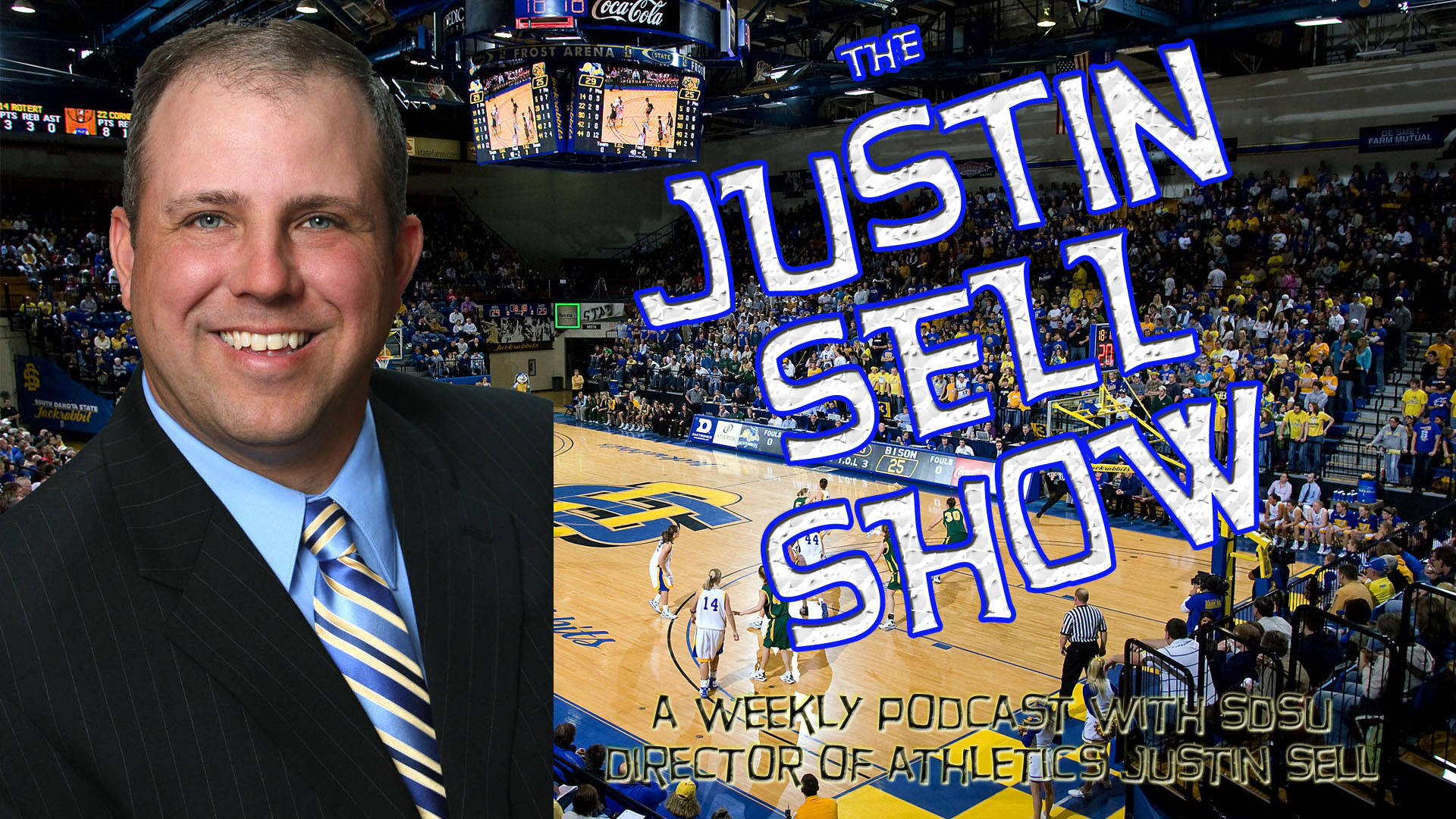
Most fans only focus on college basketball from November-March but there are always a few off-season notes that catch our eye. 1 such occurrence last week involved an important change to the current system of NCAA transfer rules. Beginning this fall, D-1 student-athletes will be allowed to transfer and get a scholarship at new school without asking their old school for permission. This rule change will also allow other coaches to contact the player, which could signal a monumental power shift between coaches and players. HoopsHD’s Jon Teitel recently got to chat with Justin Sell, the chairman of the D-1 Transfer Working Group, about a wide array of topics including transfers, academic benchmarks, and paying players.

If 40% of incoming D-1 freshmen end up transferring by the end of their sophomore season and 60% of players who transfer do not go to another D-1 school, then what kind of reforms are you recommending to address this epidemic? What I would say is that our group (which has been meeting for more than 12 months) has utilized a lot of the data/information out there to understand the transfer space in college athletics and will keep using that to guide our direction. We have a couple pieces of legislation that will be voted on soon regarding notification systems and permission to contact. We want to create stiffer penalties for violations to maintain some integrity and ensure that all recruiting of players who wants to transfer take place above-board. We do not want to deny their financial aid at another school so we have taken that off the table. We want to be more responsive to both student-athletes and coaches. We need to look at whether there should be uniformity across all sports as well as look at graduate eligibility.

Do you think that coaches should shoulder some of the blame if they are over-recruiting players? I think that student-athletes have a variety of reasons why they might transfer and I think coaches are certainly willing to help with that process. If you are not happy at a school, then it will not be beneficial if you are forced to stay there.

The NCAA Committee on Academics has recommended an academic benchmark (minimum 3.0 GPA) for athletes to be able to transfer without any restrictions: do you agree or disagree with this proposal? We asked the Committee on Academics to figure out where some of those numbers might fall and see how they compare to graduation rates of players who do not transfer to another school. Those are discussions we will continue to have into the fall so I would not call it a “proposal”: it is just data.

What do you think about the idea of setting strict standards for certifying agents who can engage with players, and would it require a joint approval by both the NCAA/National Basketball Players Association? I think that we need stricter requirements and the interaction with players should be very well-regulated.

If a school’s basketball program is found guilty of major rules violations, would you support a 5-year NCAA tourney ban, a loss of revenue, or some other serious type of sanctions? They should have some serious sanctions but it would probably need to be spelled out further.

What are your thoughts on paying players? I am not for paying players outside of the cost of attendance. I feel strongly that we are tied into higher education so the experience we provide as a place of amateurism creates an incredible experience with tremendous value. Even if you are on a partial scholarship or not on scholarship at all there are tremendous benefits to intercollegiate athletics: it is a privilege to participate.

What accomplishments are you proudest of as athletic director at South Dakota State? We have an FCS football team that transitioned from D-2 to D-1 a decade ago and has made 6 straight playoff appearances, we have been in the NCAA men’s basketball tournament during 5 of the past 7 years and in the NCAA women’s basketball tournament during 8 of the past 10 years, and we currently have about $115 million in facility development. Our cumulative GPA is 3.29 and some of our top majors are pharmacy/pre-med: we attract really talented students. When you can combine that with the ability to win some games at a land-grant school, I think that we have a great story to tell and a great model for college athletics.

Posted in Interviews | Tagged , | Comments Off on Sell It: HoopsHD interviews D-1 Transfer Working Group chairman Justin Sell

2018 NBA Mock Draft (Final Version)

The NBA Draft will take place tonight so this is our final attempt to predict where everyone will get selected. Some websites do their mock drafts based on “best player available” but we try to focus on team needs: for example, if a team like Dallas already has Dennis Smith Jr. at the 1-spot then they are probably not selecting a PG with the #5 overall pick. So, please see our 1st round predictions below and then tweet us your comments regarding what looks good and what might need a re-pick.

#.TEAM: NAME, POSITION (SCHOOL OR COUNTRY/YEAR)
1. Phoenix: DeAndre Ayton, C (Arizona/FR)
2. Sacramento: Marvin Bagley, PF (Duke/FR)
3. Atlanta: Luka Doncic, SG/SF (Slovenia/INTL)
4. Memphis: Jaren Jackson Jr., PF (Michigan State/FR)
5. Dallas: Mohamed Bamba, C (Texas/FR)
6. Orlando: Trae Young, PG (Oklahoma/FR)
7. Chicago: Michael Porter, SF (Missouri/FR)
8. Cleveland: Wendell Carter, PF/C (Duke/FR)
9. New York: Mikal Bridges, SG/SF (Villanova/JR)
10. Philadelphia: Kevin Knox, SF/PF (Kentucky/FR)
11. Charlotte: Shai Gilgeous-Alexander, PG (Kentucky/FR)
12. LA Clippers: Collin Sexton, PG (Alabama/FR)
13. LA Clippers: Lonnie Walker, SG (Miami/FR)
14. Denver: Miles Bridges, SF/PF (Michigan State/SO)
15. Washington: Robert Williams, PF/C (Texas A&M/SO)
16. Phoenix: Zhaire Smith, SG (Texas Tech/FR)
17. Milwaukee: Jerome Robinson, SG (Boston College/JR)
18. San Antonio: Aaron Holiday, PG (UCLA/JR)
19. Atlanta: Donte DiVincenzo, SG (Villanova/SO)
20. Minnesota: Kevin Huerter, SG (Maryland/SO)
21. Utah: Chandler Hutchison, SG/SF (Boise State/SR)
22. Chicago: Elie Okobo, PG (France/INTL)
23. Indiana: Troy Brown, PG/SG (Oregon/FR)
24. Portland: Josh Okogie, SG/SF (Georgia Tech/SO)
25. LA Lakers: De’Anthony Melton, PG/SG (USC/SO)
26. Philadelphia: Grayson Allen, SG (Duke/SR)
27. Boston: Keita Bates-Diop, SF/PF (Ohio State/JR)
28. Golden State: Dzanan Musa, SF (Bosnia & Herzegovina/INTL)
29. Brooklyn: Khyri Thomas, SG (Creighton/JR)
30. Atlanta: Jacob Evans, SG/SF (Cincinnati/JR)

Posted in CBB | Comments Off on 2018 NBA Mock Draft (Final Version)

The Hoops HD Report: June Session

Chad and the panel are back for the June Podcast.  They begin by discussing tomorrow’s NBA Draft and where some of the recent college stars will likely end up going.  Next, they look at the new transfer rules that were just passed and discusses the pros and cons, as well as how it may impact college basketball.  We also look at the new scheduling structures that some of the new conferences are developing, including the P5 conferences that are going out to 20 games, and how Conference USA and the Sun Belt are arranging it so the top teams end up playing each other at the end of the season.

And for all you radio lovers, below is an audio file of the show…

Posted in Hoops HD Report, Podcasts, Videocasts | Comments Off on The Hoops HD Report: June Session

Draft Dreams: HoopsHD interviews draft prospect Robert Johnson

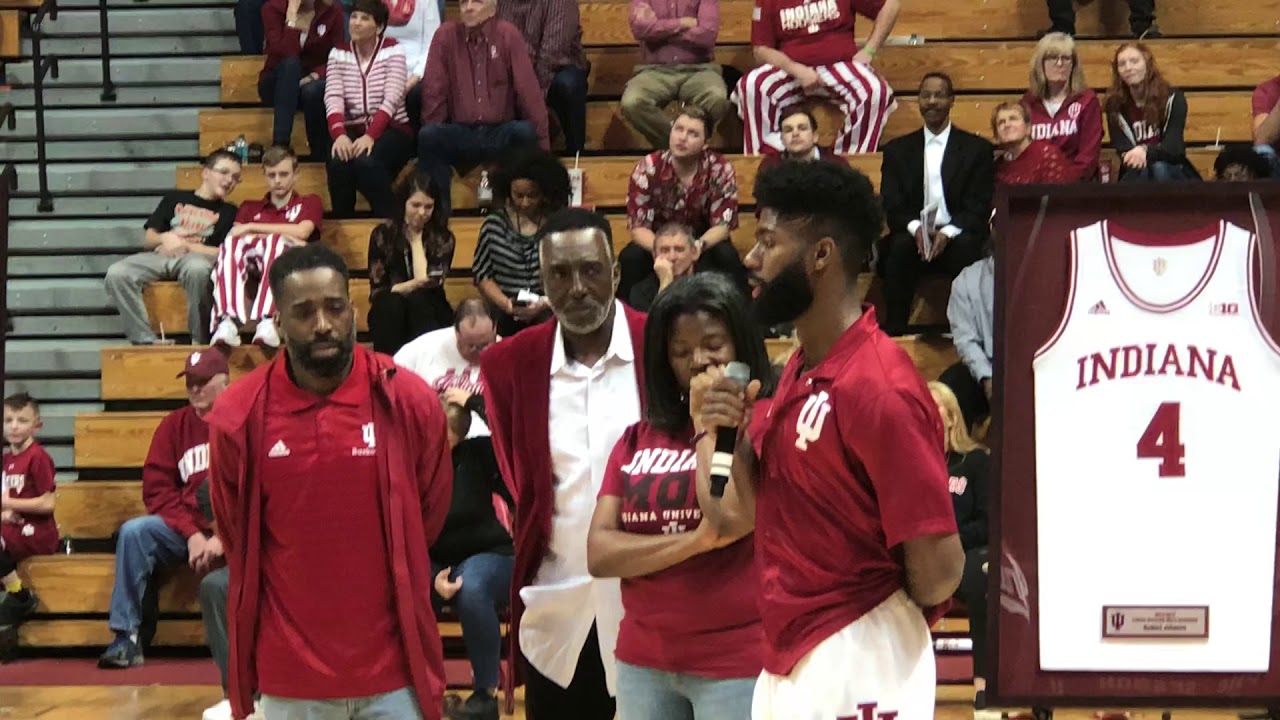
There is only 1 day left for the college kids to impress the scouts before the NBA Draft takes place on Thursday. We will spend that time talking to the stars of tomorrow as they prepare for the next phases of their careers. Robert Johnson finished his career in Bloomington as 1 of the best 3-PT shooters in Hoosier history and started his pro career early by winning the inaugural 3X3U national championship in March. HoopsHD’s Jon Teitel got to chat with Robert about making 9 threes in a game, playing for 2 different coaches, and what it would mean to get drafted.

You grew up in Virginia: what made you choose Indiana? The primary reason was Coach Crean: his vision/plan for me, showing me how I could develop there, etc.

You played for a pair of coaches in Tom Crean/Archie Miller: how difficult was the transition from 1 to the other, and what is the most important thing that you learned from either of them? It is always challenging to have change during your final year but I am glad that I got to play for the both of them. The main thing I learned from Coach Crean is to trust my preparation: if you work hard enough then you can trust whatever you have been working on. Archie taught me to approach every day the same and get a little bit better every day so that the team could reach a common goal.

In February of 2017 you became just the 2nd player in 20 years with 19 PTS/6 REB/7 AST/5 STL in a 6-PT OT loss at Iowa: where does that rank among the best all-around games of your career? It definitely ranks up there as 1 of my better all-around games. I also had a nice game the following month against Ohio State (26 PTS/6 REB/6 AST/2 STL/0 TO). I was locked in the whole time and effective in so many different ways.

In February of 2018 you scored a career-high 29 PTS and tied a school record with 9 3PM in a 2-PT win at Iowa: was it just 1 of those scenarios where every shot you put up seemed to go in because you were “in the zone”, and how happy are Hawkeye fans that you are finally graduating?! I remember talking to our strength and conditioning coach before that game: I had a lot of faith that something special would happen. God let it play out that way and I ended up tying the school record: it was just a blessing.

You graduated #4 on the school’s all-time list with 239 3PM: what is the secret to making shots from behind the arc? Just repetition. It is something I have always been taught to do so I put in the work and then expect the results that come with that. I just became better and better as a shooter.

Take me through the inaugural 3X3U national championship in March when you scored 5 PTS including the title-winning shot in a 21-13 win for the Big 10 over the Big West:

Where does that rank among the highlights of your career? It was definitely big and I was glad to be a part of something like that. It was a cool moment.

Was it weird to have guys like Jae’Sean Tate (Ohio State)/Nate Mason (Minnesota)/Vincent Edwards (Purdue) switch from opponents to teammates? After getting used to competing with them for so long it was a special moment. It is a transition as you finish your college career but it really was not weird: we clicked right away and it was evident on the court. Basketball is a big brotherhood and we have mutual respect for each other.

What are you going to do with your share of the total winnings ($55,000)? I am just saving it! If different situations come up and I can help my family then I will do that, but otherwise I will just use it as financial security during this transition period.

During your college career you played both PG/SG: what position do you feel most comfortable at on the court? Either 1: I am excited to play more PG as a professional and I think it will add a lot of value to my game.

You turned 23 last month: what did you do for the big day? I did not do a whole lot. I was staying with my aunt in Atlanta while doing some training so we just stepped out for a second.

You played with a couple of guys who made it to the NBA in OG Anunoby/Yogi Ferrell: have you talked to them at all about what it takes to make it to the next level? I talk to those guys all the time and it comes down to the same thing: grinding every day and just waiting for your opportunity.

What would it mean to you to get drafted? It would mean a lot. It was a dream of mine as a kid and 1 of my main goals has always been to hear my name called on draft night.

Posted in Interviews | Tagged , | Comments Off on Draft Dreams: HoopsHD interviews draft prospect Robert Johnson

Scouts honor: HoopsHD interviews NBA scout Bob Ferry

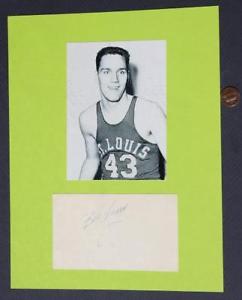
There are only a few days left for the college kids to impress the scouts before the NBA Draft takes place on June 21st. Luckily, the scouts have spent months and months evaluating the stars of tomorrow as they prepare for the next phases of their careers. Bob Ferry knows what it takes to make it to the NBA because he successfully completed the journey: All-American at St. Louis, drafted in 1959, and made it to Game 7 of the NBA Finals as a rookie. HoopsHD’s Jon Teitel got to chat with Bob about facing Bill Russell, winning an NBA title as a GM, and his role as a scout for Brooklyn.

You played college basketball for Hall of Fame coach Eddie Hickey in your hometown of St. Louis: what made him such a great coach? I played for Coach Hickey and then 1 year for John Benington. In those days things were a lot different because the head coach mostly ran the show himself: we did not have 3-4 assistant coaches. Our 1 assistant back then was Hank Raymonds. All of Coach Hickey’s drills involved bringing the ball up the court as fast as we could to make things happen.

As a senior you were named All-American: what did it mean to you to receive such an outstanding honor? There were not that many All-Americans back then so it was quite an honor. There was not as much publicity but it was a great award sponsored by Look Magazine.

In the 1959 NIT quarterfinals you had a 3-PT 2-OT loss to Providence (who was led by Lenny Wilkens and his 30 PTS): how close did you come to winning the game? I recall not winning against Providence a lot: we lost to them in the finals 2-3 times and they were our big nemesis. The NIT was a much bigger deal back then.

You were selected by the St. Louis Hawks as a territorial pick of the 1959 NBA draft (with the only other territorial pick being a guy named Wilt Chamberlain): did you consider that a validation of all your hard work, or the realization of a lifelong dream, or other? It was a combination of both. We did not have the facilities/technology to take advantage of everything we could do. I remember making my own weight rack in order to lift weights: it was unheard of before that era. Future Hall of Famer Clyde Lovellette had his Kansas team create a weighted vest to help him shoot.

As a rookie you played 3 minutes in Game 7 of the NBA Finals before losing at Boston (Bill Russell had 22 PTS/35 REB): what was it like to face that legendary Celtic dynasty with a championship on the line? I was on a veteran team so I did not get to play that much. The series got so competitive that even the owners got upset at the referees! I wish I could have played more. Russell was a great player: he rose to the occasion every single time I played against him. He did not really turn it on until he had to, at which point he would become the force behind the win (rebounding, shot-blocking, etc.). The Celtics only had 1 play back then (“the 6 play”), and you needed someone like Russell who could pass the ball to make it work.

In the 1965 Western Division Finals you scored 2 PTS in a 2-PT home loss to the Lakers in the decisive Game 6: how unstoppable was Jerry West (who scored 42 PTS)? We came home for Game 3 and nobody was expecting us to win, but after we got 2 victories in a row we had to fly all the way to the West Coast for Game 5. I remember Jerry as being such a pure shooter and always a class act.

After retiring as a player you became an assistant coach/GM for the Bullets, where you won an NBA title in 1978: what did it mean to you to win a title? It meant a lot to me and was the highlight of my career. I made a couple of moves toward the end of the season that helped us win it all. I picked up Charlie Johnson as a free agent after he was waived by Golden State and Bobby Dandridge as a free agent from Milwaukee, both of whom helped us with the 1 thing we needed to do in the East: stop Dr. J.

You were a 2-time NBA Executive of the Year: what is the key to being a great NBA executive? The biggest thing you have to do is be prepared as best you can and hope you are lucky. Luck is a huge factor: injuries and other things you cannot control have spoiled so many good teams. We were the team of the 1970s with stars like Elvin Hayes/Wes Unseld.

Your son Danny was 1989 national POY at Duke, played 13 years in the NBA, and later worked in the front office for several teams: how proud are you of all his success? He has been a joy to have as a son. Basketball is just a part of his life: he is a good guy and a great father. He knows everything about the game.

I ran into you at the A-10 tourney in DC last March: are you still scouting? My exact role in DC was to do some scouting for Brooklyn: I live in Annapolis so it was not a lot of travel.

What was your reaction to the college basketball FBI investigation? I do not know enough about it but what I have read is confusing. As long as there is recruiting there will always be some moves that are questioned, but nothing really seems to come from it. We got more perks back then they get now: there were fewer rules back then and now they look at everything with a fine-tooth comb! As a high school senior I probably had 20 dinners and as many campus visits as I wanted to take, but now the stakes are higher.

When people look back on your career, how do you want to be remembered the most? That I worked hard and enjoyed every minute of it.

Posted in Interviews | Tagged , | Comments Off on Scouts honor: HoopsHD interviews NBA scout Bob Ferry