RIP: HoopsHD interviews 1983 NIT champ Boyd “Tiny” Grant

Boyd “Tiny” Grant was born in Idaho on August 17, 1933, and exactly 87 years later he passed away after suffering a stroke. In between he became 1 heck of a college basketball coach: assistant to Jim Williams at Colorado State, assistant to to Joe B. Hall at Kentucky, 1976 NJCAA national champ as head coach at the College of Southern Idaho, 3 NCAA tourneys and the 1983 NIT title as head coach at Fresno State, then 2 more NCAA tourneys as head coach at his alma mater of Colorado State before retiring in 1991. HoopsHD’s Jon Teitel got to chat with Coach Grant a few years ago and is proud to present this previously unpublished interview for the very 1st time. We send our condolences to the Grant family on the loss of their loved one yesterday.

In the 1976 NJCAA tourney title game as coach at Southern Idaho tourney MVP Kenny Davis scored 16 PTS in a 12-PT win over Mercer County CC to finish the year 32-1 and win the title: do you remember the 1 loss, and what did it mean to you to win a title? I do remember the 1 loss: it was to Snow JC (where I had played in the past) and we only lost by a couple of PTS. We actually won 49 in a row over a 2-year span. I lost the 1954 NJCAA title as a player at Snow to Moberly Area CC by 5 PTS in OT so to finally win it as a coach meant a lot to me. There were some great coaches before me like Eddie Sutton/Jerry Hale who had never won a title, and I remember telling my kids before the start of the season that our goal was to win the title.

In the 1981 NCAA tourney as coach at Fresno State Chip Rucker made a layup with 4 seconds left in a 2-PT win by Northeastern: how frustrating was it to stand on the sideline while the Huskies held the ball for 5+ minutes until the final shot? We called a timeout with about 20 seconds left. We had 1 foul to give and planned to use it but we let the kid go down the court and make the basket. I felt we had the better team but Northeastern was very well-coached by a young guy named Jim Calhoun. We led for most of the way before losing in the final seconds and it hurt a lot.

In the 1982 NCAA tourney Patrick Ewing scored 15 PTS in a win by eventual national runner-up Georgetown: how on earth did the Hoyas shoot 63.6 FG%? They got ahead of us early before we were able to make it close in the final minutes. Ewing was blocking shots and making passes which forced us to foul down the stretch.

In the 1983 PCAA tourney title game Eric Booker made a 23-footer with 2 seconds left in a 3-PT OT win by UNLV: where does that rank among the most devastating losses of your career? I would say that was the most devastating. For the 1st 35 minutes I do not think I have ever seen a team play better. We inbounded the ball to Mitch Arnold at the end of the game and the ref called him for walking: I watched the film 100 times and he never moved his feet! I really felt that when we had a 19-PT lead in the 2nd half we would win but we made up for it the following year.

In the 1983 NIT title game Ron Anderson scored 14 PTS in a 9-PT win over DePaul en route to being named MVP: what did it mean to you to win the title, and where does that rank among the highlights of your career? It was tremendous to win it because it put us on the national stage. We had 2000-3000 fans who came out to Times Square to cheer for us. Nobody in New York City had ever heard of Fresno State but when you win a title in Madison Square Garden then people take notice.

In the 1984 PCAA tourney title game you had a 2-PT win over UNLV: was your team out for revenge after the heartbreaking loss the previous spring? No: I do not think we even talked about that. When you face Coach Jerry Tarkanian you just try to give yourself an opportunity to win because he always had great teams. Jerry was a graduate of Fresno State and well-liked there so it was a big win for us.

Your zone defense led the nation in scoring defense on multiple occasions: what made it so effective, and what is the secret to playing great defense? You just have to teach the fundamentals. We were ranked last in the conference during my 1st year in Fresno so what we needed was a post person. We did not have great outside shooting so as a staff we decided to teach man-to-man pressure and exactly what to do. Coach Don Haskins told me that he thought that it was a new thing in college basketball and that nobody else was doing it at the time. Other coaches would often tell the media that they could not figure out if we were in a man or a zone because we pressured everyone the same. After a few years coaches would come in to see what I was doing and the fans loved it as well. I coached the offense and Ron Adams coached the defense (who is now a 3-time NBA champ at Golden State). I do not mean to be egotistical but when you get a 5-second call 13 different times in a single half you know that you are good! If I did not have Ron then that probably would have never happened.

You remain the all-time winningest coach in Fresno State history: what made you such a great coach, and do you think that anyone will ever break your record? I think that someone will break the record. All of my players were willing to listen, had supportive families, and had a lot of respect for our great staff. It was tough to play us at home because of the “Red Wave”, which was our home crowd that gave us a huge advantage. It was a real honor to be there during that time.

In 1987 you became head coach at Colorado State: why did you take the job, and how did you feel about returning to your alma mater? I always felt that I was in debt for the education I had received. I was proud to play for the Rams and owed them a lot so when the job opened up the athletic director talked to me and asked me to interview for it. I love the university.

In the 1988 NIT consolation game Pat Durham scored 7 of his 17 PTS in the final 41 seconds including a layup at the buzzer to clinch a 1-PT win over Boston College: how were you able to overcome a 13-PT deficit to win the game? We had a team that would not quit. We had a reserve guy go down with a knee injury so I ended up using the same starting 5 most of the year…and none of them fouled out all year long. It was tough to lose to Ohio State in the semifinals but Pat made an amazing shot to win the consolation game after the ball deflected directly to him. It was the luckiest thing you have ever seen: we laughed about it all the way back to Fort Collins!

When people look back on your career, how do you want to be remembered the most? The only thing I want to be remembered for is working hard and having good assistants/players/administrators. I knew where I came from and never changed. I was very fortunate to get a scholarship after not being big enough to be recruited anywhere else and I remained lucky along the way to get into coaching. You can use luck to get somewhere but you have to work hard to stay there.
Posted in Interviews | Tagged , , | Comments Off on RIP: HoopsHD interviews 1983 NIT champ Boyd “Tiny” Grant

The Olympians: HoopsHD interviews 2004 Olympic gold medalist Shannon Johnson

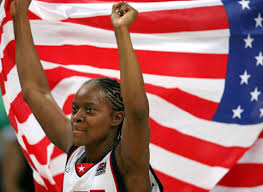
The NBA Finals date back to 1947 (when they were known as the Basketball Association of America Finals) and the very 1st NCAA tourney was held in 1939. Olympic basketball competition is even older: it debuted as a demonstration event in 1904 and the men’s version became a medal sport in 1936, with the women finally getting their chance to go for the gold in 1976. The United States has dominated Olympic basketball competition from the start: the men have won 15 gold medals in the 18 tournaments they have participated in during the past 84 years, while the women have won 8 gold medals in the 10 tournaments in which they have competed during the past 44 years. Those of you who were looking forward to the 2020 Olympics opening ceremonies in Tokyo on July 24, 2020 will have to wait an extra 364 days, as the coronavirus caused a postponement until July 23, 2021. Due to the absence of college basketball since mid-March, HoopsHD’s Jon Teitel decided to fill the void by trying to interview as many prior Olympic players/coaches as possible so that you have something to read this summer while not watching the Summer Games. We continue our coverage by chatting with Shannon “Pee Wee” Johnson about winning back-to-back ABL titles and a gold medal in 2004. Today is her birthday so let us be the 1st to wish her a happy 1!

(photo credit: thestate.com)

Your nickname is “Pee Wee”: who gave you the nickname, and did you see your 5’7” height as an advantage or disadvantage on the court? My nickname was given to me by my volleyball coach Debra Tyner. I was in the 6th grade and was the smallest player on the team so she gave me the nickname. My height was never a problem for me in the league: I just worked my butt off to be a good player every year.

You grew up in Hartsville, SC and won a pair of AAAA state titles in 1990/1992: what made you choose South Carolina for college? I chose to attend the University of South Carolina because of my relationship with the coaching staff. I also liked that it was close to home: being only 1 hour away meant that I could visit home on a regular basis.

In January of 1996 you scored a school-record 50 PTS in a win over Appalachian State and you remain #1 in school history with 20.4 career PPG: what is the secret to being a great scorer? The secret to being a good scorer is the work you put in before the games. Every day I worked on my craft and my teammates/coaches pushed me daily to better my game. I was very disciplined and had a strong work ethic, which helped me get stronger/faster.

You played for the Columbus Quest and won a pair of ABL titles in 1997/1998: what did it mean to you to win a pair of titles, and how on earth were you able to win the 2nd title after Coach Brian Agler left in the middle of the season?! To win a championship at any level is an indescribable feeling. You feel on top of the world with so much emotion. You laugh, cry, and hug anyone/everyone. We won both titles with Coach Agler and he did leave the 3rd year for the WNBA. We were a very strong group and continued to play hard under player/coach Tonya Edwards before the league folded midway through that year.

You were a 5-time WNBA All-Star and also played in Spain/Italy/Turkey/Poland/Russia: what is the biggest difference between basketball in the US vs. basketball overseas? The biggest difference during that time was that the players overseas were so fundamentally sound and most Americans played with their athleticism. Now you cannot tell the difference because the game has grown on both sides. Players now are working more on their weaknesses and perfecting their strengths.

In 2004 your jersey was retired and you were inducted into the South Carolina Hall of Fame: where does that rank among the highlights of your career? Having my jersey retired is at the top of my list of favorite career moments. All of the work during my collegiate career paid off and I will always be remembered for that work. I thank my coaches/teammates for always encouraging and supporting me. It was because of them that my jersey is hanging up in the rafters.

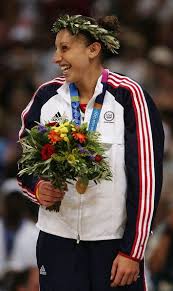
You played for team USA at the 2004 Olympics: what did it mean to you to win a gold medal, and could you have ever imagined that your teammate Dawn Staley would end up becoming a national champ at your alma mater and head coach of team USA? Winning a gold medal was and is the highest achievement of my career. Playing with the 12 best players and representing our country in 2004 in the birthplace of the Olympics in Greece was awesome. I still get emotional watching the game and the gold medal ceremony. Playing with Dawn was the best because she is a great leader and made everyone feel important. She is also my mentor/role model so following her greatness was important and very easy. I am so happy and proud of her continuing to help team USA grow and succeed. She will be a great coach to lead our team into the next Olympics.

In the decisive Game 5 of the 2007 WNBA Finals with Detroit you had 13 PTS/8 AST in a loss to Phoenix (who become the 1st team in WNBA history to win a title on the road): where does that rank among the most devastating losses of your career, and how did Penny Taylor (18-18 FT) almost make as many FT as your entire team (19-25 FT)? Losing the 2007 Finals was very hard to accept: both teams played great but there has to be 1 team that wins and 1 team in 2nd place! Penny Taylor is and will always be a great player and I have much respect for her game.

Your 1424 career AST remains #9 in WNBA history: what is the key to being a great PG? Anytime you are in the top-10 in any category it is a good feeling. The game has grown so much and records are made to be broken. The key to being a great PG is to make others around you better.

You spent the past 5 years as head coach at Coker University before resigning last week: how did you like the job, and what impact did the coronavirus have on your job either on or off the court? I loved being the head women’s basketball coach at Coker because it gave me a chance to give back to the sport that I love so much. The coronavirus has changed all coaches’ jobs to working from home. Basketball is a sport that you teach and not being able to have time with your players is a loss. We do talk on the phone or message the players but it is different now because they cannot stop by or vice-versa. We all understand the time that we are in now and hopefully we can get back to playing/coaching basketball.

Posted in Interviews | Tagged , | Comments Off on The Olympians: HoopsHD interviews 2004 Olympic gold medalist Shannon Johnson

2020 Draft Preview: HoopsHD interviews Montana prospect Sayeed Pridgett

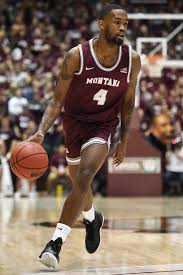
On May 1st the NBA’s Board of Governors voted to postpone the Draft Lottery and Draft Combine in Chicago due to an abundance of caution regarding the coronavirus pandemic. In addition to all of the seniors who have wrapped up their college careers, the early-entry deadline for underclassmen was August 3rd and the NBA deadline is today. The lottery has been postponed until August 20th and the draft itself is scheduled to take place virtually on October 16th. We will spend the upcoming months interviewing as many members of the 2020 draft class as possible. HoopsHD’s Jon Teitel continues our coverage by chatting with Sayeed Pridgett about being a leader and what it would mean to him to get drafted.

You were born/raised in Oakland: what made you choose Montana? Coach Travis DeCuire was an assistant coach at Cal so when he got the head coaching job at Montana it seemed like an obvious choice for me to go there. His staff was at many of my high school/AAU games.

In high school you worked out with a local coach who happened to be the father of Hall of Famer Gary Payton: what was the most important thing that you ever learned from the man who is nicknamed “Mr. Mean”? To be focused and take everything seriously and go as hard as possible so that nobody else around the country is outworking you.

Coach DeCuire started recruiting you when you were in the 8th grade: what makes him such a good coach, and how intense is he? He is very intense but he knows how to reach each player differently. He knew that if I was not having a good day then yelling at me would fire me up. He knows how to get us to the right spot and then call plays for us.

He has also stated that you are “different than any leader I have had”: what is the secret to being a good leader? The best thing that I did was getting to know everyone on a personal level. I made sure to work out with each of my teammates at least once/twice so that we knew what to expect from each other.

You did not start a single game as a sophomore but as a junior you were named 1st-team All-Big Sky and were 19th in the NCAA with 60.5 FG%: how were you able to step in and lead the team in scoring after Jamar Akoh suffered a career-ending injury midway through the season? I have always been a guy who tried to give the team whatever it needed via my energy. The 2 years prior to that I did a lot of scoring but we had so many other scorers on the team that not many people noticed.

Last January you scored a career-high 33 PTS in 45 minutes in a 2-PT OT loss at Weber State: was it just 1 of those situations where every shot you put up seemed to go in because you were “in the zone”? I just had the hot hand that night and also had a good game there the previous year so I just had the green light.

You entered the 2020 Big Sky tourney as the #3 seed as you tried to make 3 straight NCAA tourneys for the 1st time in program history, but then you learned that the Big Sky/NCAA tourneys were canceled due to the coronavirus: what was your reaction when you 1st heard the news, and do you think that it was the right decision? When I 1st heard the news I thought that it was just a joke so it did not hit me that hard. I do not think that it was the right decision but I guess they just had to be on the safe side.

You finished your career in the top-6 in school history in PTS/STL: how were you able to balance your offense with your defense? My 1st couple of years my role was to play defense at multiple positions as I just tried to do whatever it took to get onto the court. My final 2 years I definitely scored a lot more but still had to guard some of the best players on the opposing team.

What is it like to be an African-American man/basketball player in 2020? It means a lot. There is a lot on your shoulders with so many things happening and I try to let people know what is going on. I have a stage on which I can speak and get my point across.

What would it mean to you to get drafted, and what is the plan if you do not get drafted? It would definitely be a dream come true but if not then I will just work hard to eventually get to that place. I know that if I keep working hard then my time will come.

Posted in Interviews | Tagged , | Comments Off on 2020 Draft Preview: HoopsHD interviews Montana prospect Sayeed Pridgett

The Olympians: HoopsHD interviews Rory Karpf about 1992 Olympic gold medalist Christian Laettner

The NBA Finals date back to 1947 (when they were known as the Basketball Association of America Finals) and the very 1st NCAA tourney was held in 1939. Olympic basketball competition is even older: it debuted as a demonstration event in 1904 and the men’s version became a medal sport in 1936, with the women finally getting their chance to go for the gold in 1976. The United States has dominated Olympic basketball competition from the start: the men have won 15 gold medals in the 18 tournaments they have participated in during the past 84 years, while the women have won 8 gold medals in the 10 tournaments in which they have competed during the past 44 years. Those of you who were looking forward to the 2020 Olympics opening ceremonies in Tokyo on July 24, 2020 will have to wait an extra 364 days, as the coronavirus caused a postponement until July 23, 2021. Due to the absence of college basketball since mid-March, HoopsHD’s Jon Teitel decided to fill the void by trying to interview as many prior Olympic players/coaches as possible so that you have something to read this summer while not watching the Summer Games. We continue our coverage by chatting with Rory Karpf, director of “I Hate Christian Laettner”, about Christian winning back-to-back NCAA tourneys and a gold medal in 1992. Today is Christian’s 51st birthday so let us be the 1st to wish him a happy 1!

Laettner played at Duke for Coach Mike Krzyzewski, the winningest coach in men’s D-1 history: what makes Coach K such a great coach, and what was the most important thing that Laettner ever learned from him? Coach K tells a story about going to Laettner’s home and hitting it off with his parents. I think that he saw something in Christian that other coaches missed: they had an instant kinship that is hard to explain. At his senior year banquet Christian got emotional and said that what he would miss the most was playing for Coach K. He never really found that kind of mentor again in the NBA.

Take me through the 1990 NCAA tourney:
After Coach K called out ”Special” with 2.6 seconds left in OT, Laettner inbounded the ball to Brian Davis who gave it back to him, then he double-pumped in mid-air he made the game-winning shot at the buzzer in a 1-PT OT win over UConn: did you think the shot was going in, and does it get forgotten because it is far from his most famous buzzer-beater? I was pretty young back then and not watching much basketball but it does get forgotten. In the end credits of my film Christian shows the shot to his son, who had never seen it before. 1 thing I learned is that he wanted the ball in his hands when the game was on the line, almost like Michael Jordan.

He scored 15 PTS in a 30-PT loss to UNLV in the title game (which remains the largest margin of victory in title game history): where does that game rank among the most devastating losses of his career? It was really motivational for him. In college he played better with a chip on his shoulder and when people were against him, and he used that the following year against the Fab 5.

Take me through the magical 1991 NCAA tourney:
He scored 28 PTS including 2 FTs with 12.7 seconds left in a 2-PT win over UNLV (ending the Rebels’ 45-game winning streak): how hard is it for a team to go undefeated, and do you think that we will ever see it happen again? It was such a different period in college basketball because teams do not stay together like that anymore. How many undefeated teams do you see in any sport? It was pretty incredible for Duke to beat that team.

He had 18 PTS/10 REB in a 7-PT win over Kansas in the title game en route to being named tourney MOP: what did it mean to him to win a title, and what was the reaction like when he got back to campus? Winning meant everything to him: he did not care much about stats. Superstar players back then played 4 years but if it happened today he probably would have gone pro after that game. He won with arrogance and all the girls wanted to be around such a good-looking guy. He was like a God on campus a la Zion Williamson but hated by everyone outside campus.

Take me through the magical 1992 NCAA tourney:
After catching a last-second pass from Grant Hill he made his famous turnaround game-winning jumper in a 1-PT win over Kentucky (which is considered by many people to be the “greatest college basketball game ever played”): how did that shot change his life (if at all)? It is the play he is most famous for and he spoofed it throughout the years (www.youtube.com/watch?v=Uo3G2MfOYeA). Not only was he great but he got away with something after stomping on a player. He has a pretty good attitude about it and I think it has to go down as 1 of the most famous/clutch plays in college basketball history. You can make an argument that he is the greatest of all-time.

He scored 19 PTS in a 20-PT win over Michigan in the title game: how did it feel to beat the “Fab 5”, and how did the 2nd title compare to the 1st? I think that he had a really bad 1st half and Bobby Hurley really lit into him in halftime, which meant something to Christian. Everything was about winning as a team so it was a storybook finish for him to go out like that.

2 decades after becoming the only player to ever start in 4 consecutive Final Fours he still holds the all-time NCAA tourney career records for most PTS (407) and most games played (23) in NCAA tourney history: did he realize at the time how prolific a player he was, and do you think that anyone will ever break his records? I do not think that he realized it due to his age: most 21-year old players are not thinking beyond the moment and he was just looking ahead to playing in the Olympics. He grasped what the team accomplished but I do not think those records will be broken because great players will keep going right to the NBA. He came from working-class Buffalo and only went to a prep school on scholarship where he would have to clean the school during the summers.

He won a gold medal as the only college player selected for the 1992 Dream Team: what did it mean to him to win a gold medal, and do you agree with those who say it was the “greatest sports team ever assembled”? I think so: it was so unique at the time. It was monumental to Christian to be selected. There was some controversy because they picked him over Shaquille O’Neal but it meant a lot to him to play with guys like Patrick Ewing/Magic Johnson/Charles Barkley.

After being drafted 3rd overall by Minnesota in 1992 (1 spot behind Alonzo Mourning) he averaged a career-best 18.2 PPG and was named to the All-Rookie 1st-team: what did it mean to him to be drafted, and how was he able to make such a smooth transition from college to the NBA? He did not like losing and that Minnesota team was not very good so I think he was very frustrated. He clashed with Coach Sidney Lowe: Sidney asked Coach K how he dealt with him and Coach K said that Sidney was not utilizing him correctly. Christian fit really well into the Duke scheme but could not single-handedly lift up a team as a rookie like Shaq did in Orlando.

In 2010 he was inducted into the College Basketball Hall of Fame: where does that rank among the highlights of his career? It just goes back to the fact that while he is appreciative he does not dwell on it.

When people look back on his career, how do you think that he should be remembered the most? As 1 of the greatest college athletes of all-time, bar none. I do not think that a player like him will come around again. 1 of the reasons he was hated is because he was so good: if you look at the numbers AND the footage you will see that he dominated Shaq in a game at LSU (www.youtube.com/watch?v=2ODZhiims2g). You could argue that he is the greatest college basketball player ever!

Posted in Interviews | Tagged , , | Comments Off on The Olympians: HoopsHD interviews Rory Karpf about 1992 Olympic gold medalist Christian Laettner

2020 Draft Preview: HoopsHD interviews St. Mary’s prospect Jordan Ford

On May 1st the NBA’s Board of Governors voted to postpone the Draft Lottery and Draft Combine in Chicago due to an abundance of caution regarding the coronavirus pandemic. In addition to all of the seniors who have wrapped up their college careers, the early-entry deadline for underclassmen was August 3rd and the NBA deadline is approaching on August 17th. The lottery has been postponed until August 20th and the draft itself is scheduled to take place virtually on October 16th. We will spend the upcoming months interviewing as many members of the 2020 draft class as possible. HoopsHD’s Jon Teitel continues our coverage by chatting with St. Mary’s prospect Jordan Ford about leading the nation in minutes and what it would mean to him to get drafted.

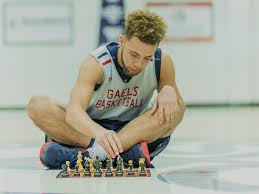
You were a chess prodigy as a child and were ranked 7th in the nation in your age bracket before quitting competitive play at age 8 to focus on basketball: do you ever miss it, and do your chess skills ever help you on the basketball court? My dad taught me the game of chess at age 4 and I won a couple of state titles. I do miss it sometimes: it taught me how to work hard at a young age.

You were born/raised in California: what made you choose St. Mary’s? When I went there on my visit I liked the coaching staff/players. Coach Randy Bennett had a winning culture that I wanted to be a part of, and they have a great history of PGs who end up in the NBA like Patty Mills/Matthew Dellavedova.

What makes Bennett such a good coach, and what was the most important thing that you ever learned from him? He gets the most out of his players by knowing when to be tough on us and when not to. Once I hit my junior year it just started clicking and I realized the importance of bringing it every day even if you are not feeling 100%.

As a junior you were 2nd in the WCC with 21.1 PPG: what is the secret to being a great scorer? Trying to have a scoring mentality and not taking any nights off that will bring your average down. The most important thing is to win the game and I knew that scoring some PTS could help us win.

Take me through the 2019 postseason:
In the WCC title game you scored a game-high 17 PTS in an upset of a top-ranked Gonzaga team that had won 21 games in a row: how do you explain the rivalry to people who have never seen it in person, and where does that win rank among the highlights of your career? That was probably the best win of my career since Gonzaga was ranked #1 in the nation at the time. It is a great rivalry: we do not hate each other but rather respect each other. We both know that we will have to bring our “A” game if we want to win and both schools have great coaches.

In the NCAA tourney you scored 13 PTS in a 4-PT loss to Villanova: how close did you come to upsetting the defending national champs? We came really close: I think that if I had played better/scored more then we might have won it. It was close throughout the game but they had a really good team as well and the ball just did not bounce our way.

Your 3PM/RPG/SPG/PPG improved during each of the past 4 years: how were you able to keep getting better every single year? Just getting the reps I needed to learn the game: it was all very new to me during my freshman year but by my senior year I was well-prepared. You need to work on your game and develop your skill set.

Take me through the 2020 WCC tourney:
You scored a career-high 42 PTS/17-30 FG/0 TO in a 7-PT 2-OT win over Pepperdine in the quarterfinals (Colbey Ross had 43 PTS): was it just 1 of those situations where every shot you put up seemed to go in because you were “in the zone”? My main goal was to go out and be aggressive and put pressure on their defense, so once the ball went in a few times I had more freedom to try to take over the game.

You scored a team-high 18 PTS in the semifinals including a 17-foot jumper with 1.4 seconds left to clinch a 1-PT win over BYU: how was the play drawn up, and did you think the shot was going in? I was trying to get downhill on my guy and then get to the rack, and if they collapsed then the plan was to kick it out. I went up for a floater in a similar situation in an earlier game at BYU so I knew what they were expecting.  I assumed there would be an opportunity to pull-up so I did and then made the shot.

You scored 27 PTS in a loss to Gonzaga in the title game and then learned a few days later that the NCAA tourney was canceled due to the coronavirus: what was your reaction when you 1st heard the news, and how pissed were you to miss breaking Matthew Dellavedova’s record as the all-time leading scorer in school history by 5 PTS? I was out eating with some teammates when we saw on TV that some other conference tourneys were getting canceled, and then after Rudy Gobert tested positive we had a feeling that something bad might happen. We were all really bummed out because we thought that we could make some noise in the NCAA tourney this year and did not want our season to end like that. I was much more excited to play in the NCAA tourney than to break Delly’s record, even though he is a legend here.

You led the nation in minutes played including a school-record 58 minutes in an 8-PT 4-OT loss at Pacific last January: how exhausted were you by the end of the season, and how much of an advantage is your stamina on the court? I noticed during my junior year that I was exhausted but I did some more training/visualization as a senior that helped me avoid getting fatigued or feeling worn down mentally.

What is it like to be an African-American man/basketball player in 2020? There is a lot of racial injustice going on right now and it has been highlighted this year. We have to use our voice/platform because athletes can be leaders in the community.

What would it mean to you to get drafted, and what is the plan if you do not get drafted? It has been a lifelong dream of mine since watching Kobe Bryant play as a kid. It would be really cool/exciting to make it and then try to give it 100% but if I do not get drafted it is not the end of the world. I will just keep developing my game and try to work my way up to the NBA some other way.

Posted in Interviews | Tagged , | Comments Off on 2020 Draft Preview: HoopsHD interviews St. Mary’s prospect Jordan Ford

The Olympians: HoopsHD interviews Mechelle Voepel about 4-time Olympic gold medalist Diana Taurasi

The NBA Finals date back to 1947 (when they were known as the Basketball Association of America Finals) and the very 1st NCAA tourney was held in 1939. Olympic basketball competition is even older: it debuted as a demonstration event in 1904 and the men’s version became a medal sport in 1936, with the women finally getting their chance to go for the gold in 1976. The United States has dominated Olympic basketball competition from the start: the men have won 15 gold medals in the 18 tournaments they have participated in during the past 84 years, while the women have won 8 gold medals in the 10 tournaments in which they have competed during the past 44 years. Those of you who were looking forward to the 2020 Olympics opening ceremonies in Tokyo on July 24, 2020 will have to wait an extra 364 days, as the coronavirus caused a postponement until July 23, 2021. Due to the absence of college basketball since mid-March, HoopsHD’s Jon Teitel decided to fill the void by trying to interview as many prior Olympic players/coaches as possible so that you have something to read this summer while not watching the Summer Games. We continue our coverage by chatting with ESPN women’s basketball writer Mechelle Voepel about Diana Taurasi winning 3 WNBA titles and 4 gold medals. Today marks the 16th anniversary of Diana scoring 10 PTS in a win over the Czech Republic in 2004 Olympic round-robin pool play.

In 2000 Taurasi was named national high school POY at Don Lugo High School: what made her choose UConn? She literally came from across the country after growing up in California: she grew up a Lakers fan and seriously considered going to UCLA. Coach Geno Auriemma was a huge factor: he connected with her and challenged her. Diana always had a swagger to her and wanted to be the best and Geno said that if she really wanted to do that she needed to come to Storrs. If you look at which of Geno’s players are most like him I would say Diana.

She went 139-8 during her 4 years in Storrs and was a 3-time All-American/3-time NCAA champ/2-time national POY: what did it mean to her to receive such outstanding honors, and where does she rank among the greatest college players of all-time? You could easily make the case that she is the best overall women’s player for a few different reasons. She has won so many titles and was a big part of all of those teams. Even though she is not a true PG she has the ball in her hands during the most important times to make a play happen. She has mastered the combo-guard position and the individual accolades are great…but if the team does not win then she did not care. She has only been named WNBA MVP once but she is arguably the best player in league history.

In 2004 she was drafted 1st overall by Phoenix en route to being named WNBA ROY: how was she able to come in and dominate right from the start? Her game was pro-ready even while she was in college. She was part of the 2002 team that I think remains the greatest in women’s college history. She had 4 senior teammates who all got drafted but the Huskies won 2 more titles and helped her grow up. I remember talking to her about leadership back in college. She had to be the Rock of Gibraltar (which she was) and Phoenix needed her to come in and be the face of the franchise. She was also on the national team that won a gold medal that summer in Athens.

In August of 2006 she set a league record with 47 PTS/8-16 3PM and had 9 AST in a 1-PT 3-OT win at Houston: was it just 1 of those scenarios where every shot she put up seemed to go in because she was “in the zone”? She can definitely get in the zone. She has 1 of the most effortless-looking perimeter shots you have ever seen, which I mean in the most complimentary way. She is 6’ tall and can shoot from anywhere. It was just 1 of those games that she was not going to lose even if it had lasted 10 overtimes! Her ability to facilitate is also amazing.

She set a WNBA record that year with 25.3 PPG and her 8,693 career PTS is the most in league history: what is her secret for being such a great scorer? She really understands the game so well and is intuitive at breaking down the game both in advance and in real-time as it is happening. She understands the flow of the game incredibly well and is not afraid to miss. You cannot let disappointment impede you from having the ball in your hands with the game on the line. She is willing to be the person who makes it or misses it no matter how big the game is.

She is also the league’s all-time leader with 1,119 career 3PM/2,062 FTM: how is she able to balance being a great long-range shooter while also being able to get to the FT line? She knows how to attack the basket and can see where her opportunities will come from while playing with a fearlessness. She is not afraid of contact and would joke that she gets fouled every single time she drives to the basket. She is smart enough to know that she does not want to rely on just 1 aspect of her game. Growing up she would watch the best men’s players and incorporate some of their skills into her own game. Guarding her is a nightmare even if she is not having her best game: she can burn you with 8 PTS in 1 minute because she is always waiting to strike. When she is having her best game you simply cannot stop her.

Her 10 All-WNBA 1st-Team selections are the most in league history, she was named WNBA MVP in 2009, and in 2011 she was named 1 of the 15 greatest players in WNBA history: where do you think that she ranks among the greatest players in women’s basketball history? I think you can make the case that she is the greatest. There was not great visibility for the sport for much of its early history so it is hard to judge the stars from the 1950s/1960s/1970s, unlike the NBA where you can still watch the best players from back then online. Even with that caveat, we have known how good she is since high school and she has made the most of it. You could put her in any era and she would still be the greatest player, not just due to her scoring but how she inspired her team.

She is a 3-time WNBA champion (2007/2009/2014) and 1 of 4 players to win multiple NCAA titles/WNBA titles/Olympic gold medals (along with Sue Bird/Swin Cash/Maya Moore): what is her secret for winning championships? She has the hunger to win championships and the desire to be the best. I cannot stress enough how good a teammate she is, even during an All-Star Game or while playing overseas. She has your back 100% all the time: not all great players are like that. She will encourage/engage everyone even if you are only playing 3 minutes/game. We have not talked about her defense because she is so great on offense but you cannot reach her level without being a good defender/rebounder. She is top-of-the-line at all aspects of the game.

She has a 50-7 career record in elimination games in the NCAA tournament/WNBA playoffs/Olympics: how is she able to play her best when it matters the most? She really has a sense of the moment. What surprises some people is that she always feels like she has to prove herself, which is similar to Geno. As confident as she is, I think that doubt/worry is part of her fuel, which is something that she has used consistently.

She is a 4-time Olympic gold medalist for team USA (2004/2008/2012/2016): what does it mean to her to represent her country, and do you think that we will see her win gold medal #5 next summer in Tokyo? She has a long history with the national team, having played for them right out of college before she even turned 22. She takes a lot of pride in it and the key for next summer will be her health: she had some back/hamstring issues over the past year and just turned 38 in June. The key is to see if her body will let her play: mentally she has a Mount Everest of experience that you cannot replace. It would mean the world for her since she is near the end of her career.

Posted in Interviews | Tagged , , | Comments Off on The Olympians: HoopsHD interviews Mechelle Voepel about 4-time Olympic gold medalist Diana Taurasi